
The Story of Sinhala Song
How Sinhala music came to sound the way it does — the movements, the arguments, the technologies and the moments that shaped a century of song.
Featured
 Technology1850s-1900s
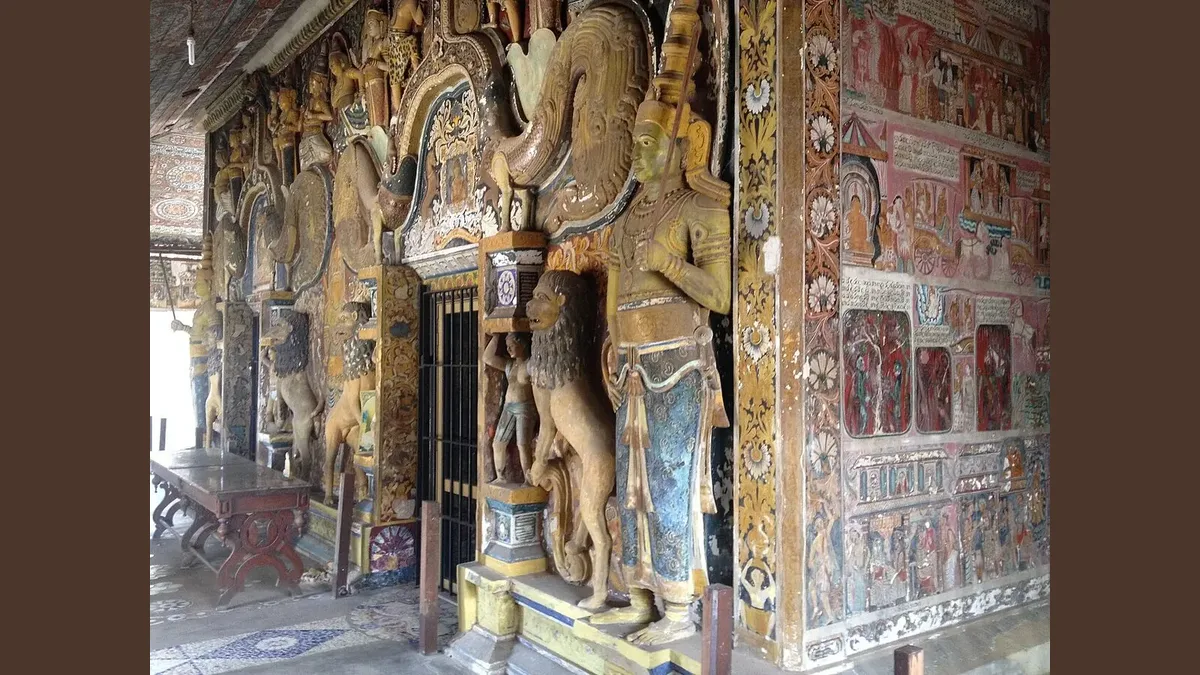
The Violin on the Temple Wall
A Buddhist muralist near Colombo painted a violin around 1850 — upside down, with the wrong bow. Where and when painters got it right tells us how the instrument actually arrived.
Read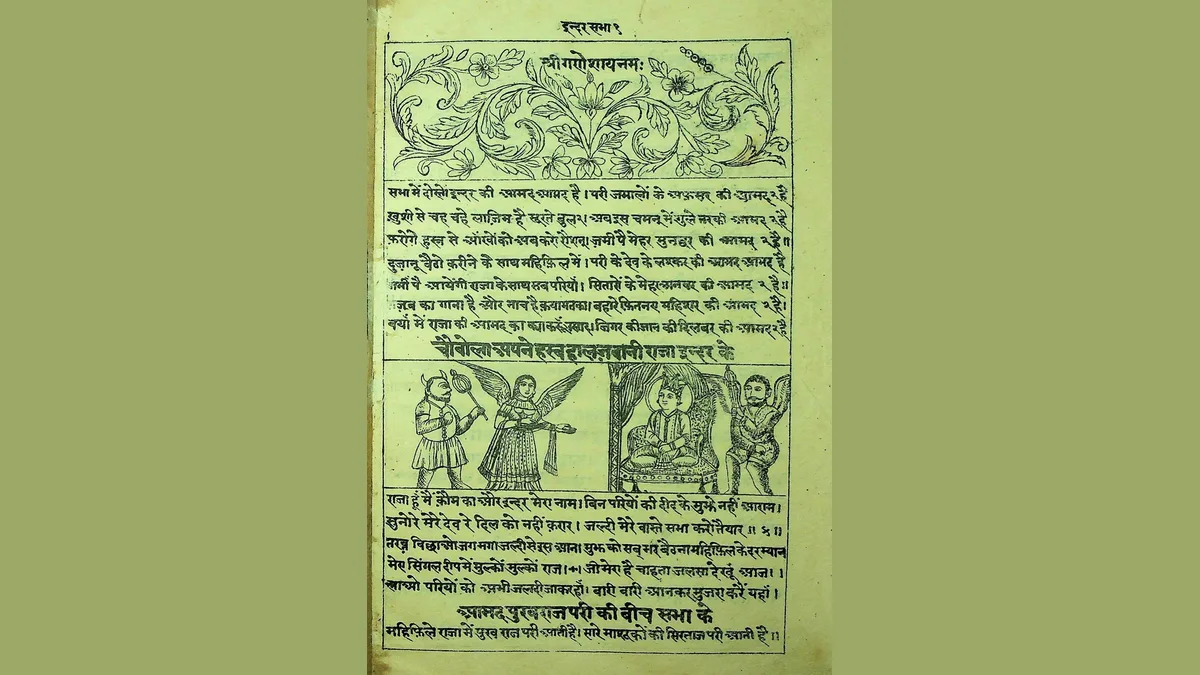 Movement1870s-1910s
26 May 1877: The Night Indar Sabha Came to Colombo
A Bombay troupe brought an Urdu opera to Ceylon and changed which India Sinhala music looked to. The swing from Carnatic to Hindustani was ideological, not musical — and everything after it is a reaction.
Read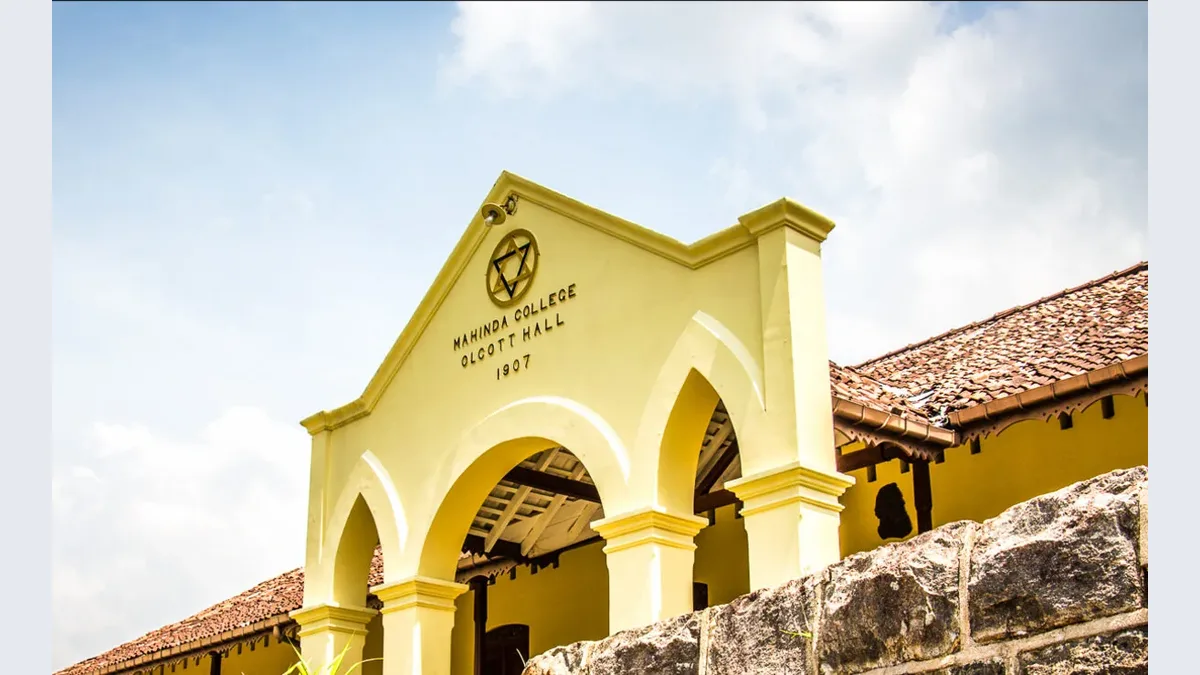 Controversy1940s-1960s
A Song for Schoolboys, and the Beheading of an Anthem
A Galle music master wrote a patriotic song for his pupils in 1940. Eleven years later it was the national anthem; twenty-one years later its first line had been cut off.
Read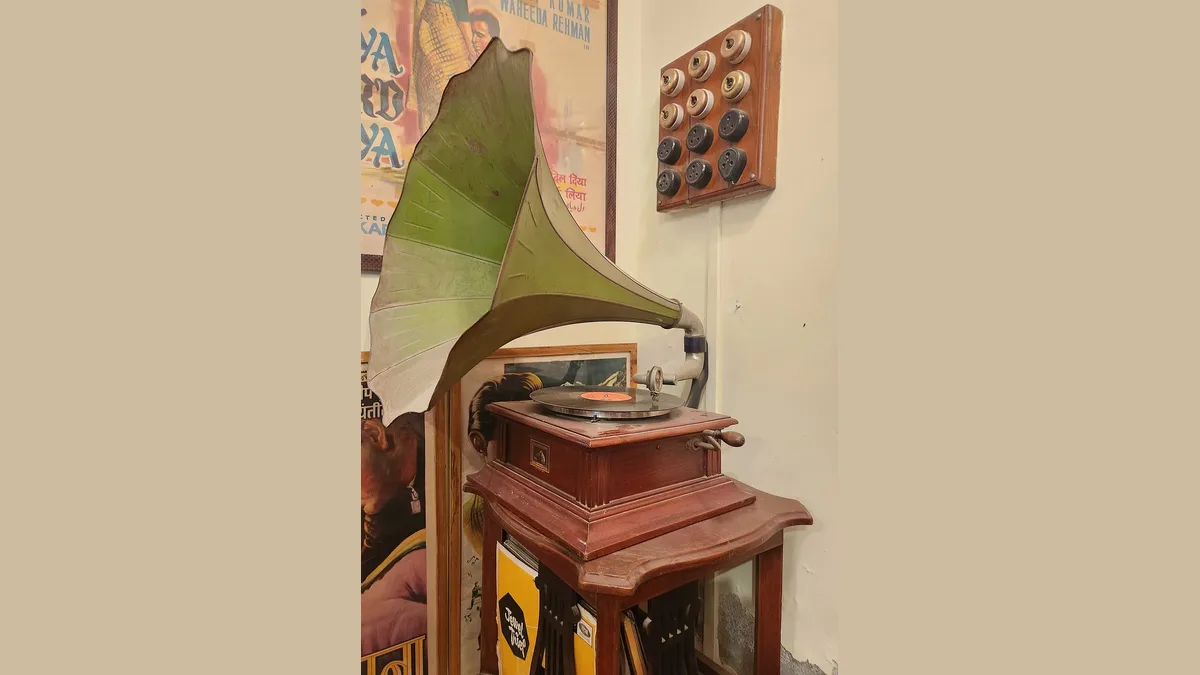 Controversy1930s-1970s
Vacana Danava: The Long War Against Putting Words on Hindi Tunes
For forty years the fastest way to make a Sinhala hit was to buy a ticket to a Hindi film, memorise the tune, and fit Sinhala syllables to it. It even had a name.
Read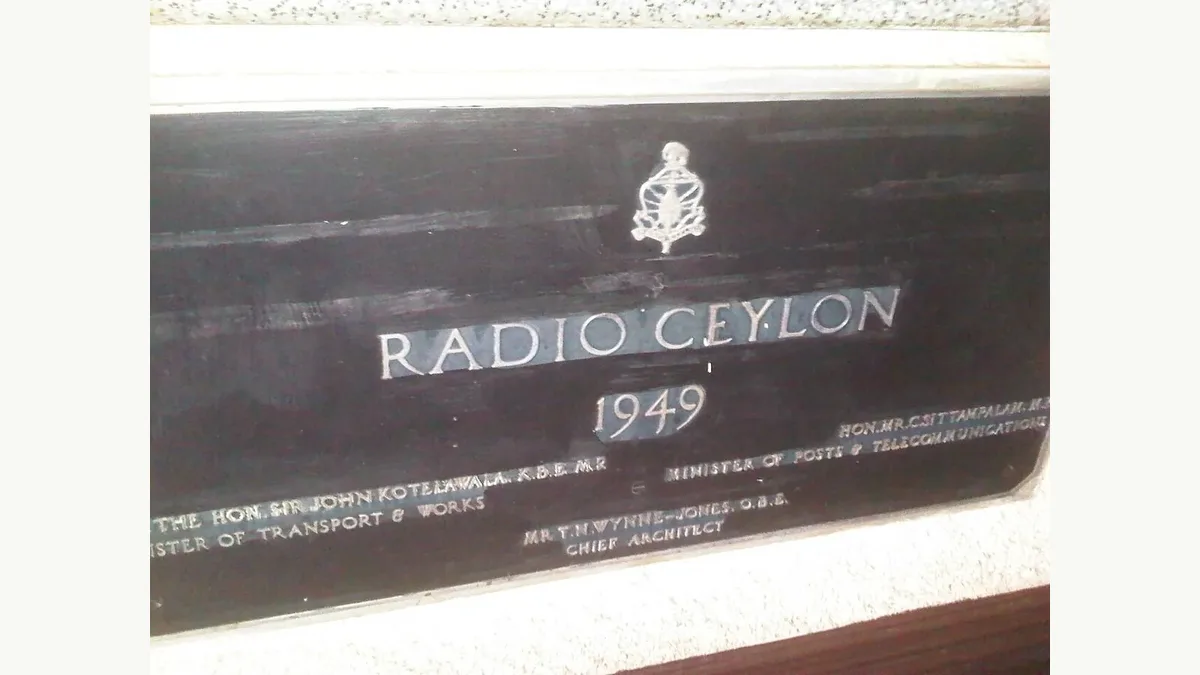 Controversy1940s-1960s
The Voice Test Sunil Santha Refused
A visiting professor from Lucknow graded 716 Ceylonese musicians for national radio and gave five of them an A. Three years later, one of the five walked out.
Read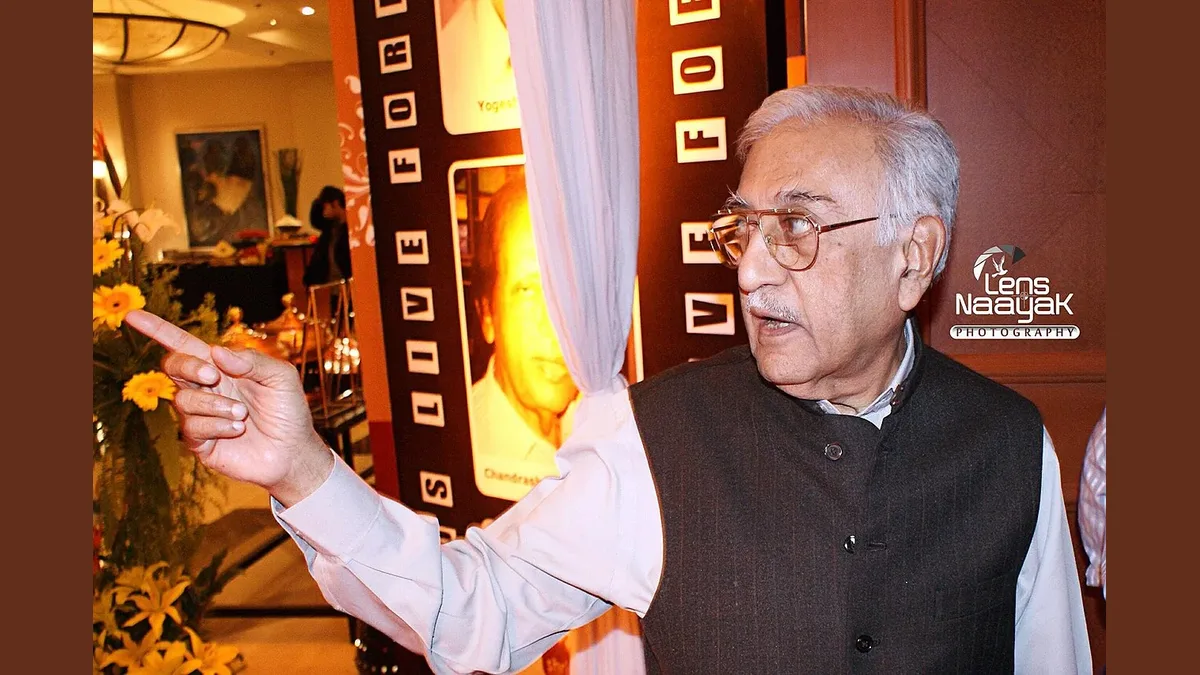 Institution1950s-1960s
King of the Airwaves
A minister in Delhi decided film songs were vulgar and threw them off All India Radio. Hundreds of millions of listeners simply turned the dial to Colombo, and stayed there for thirty years.
Read Movement1930s-1960s
"Her Father Got Very Angry": The Boat to Madras and the Women Who Couldn't Board It
Sinhala films were scored in Madras and Calcutta, so a playback career meant a sea voyage. For a respectable Ceylonese daughter that was the end of the conversation.
Read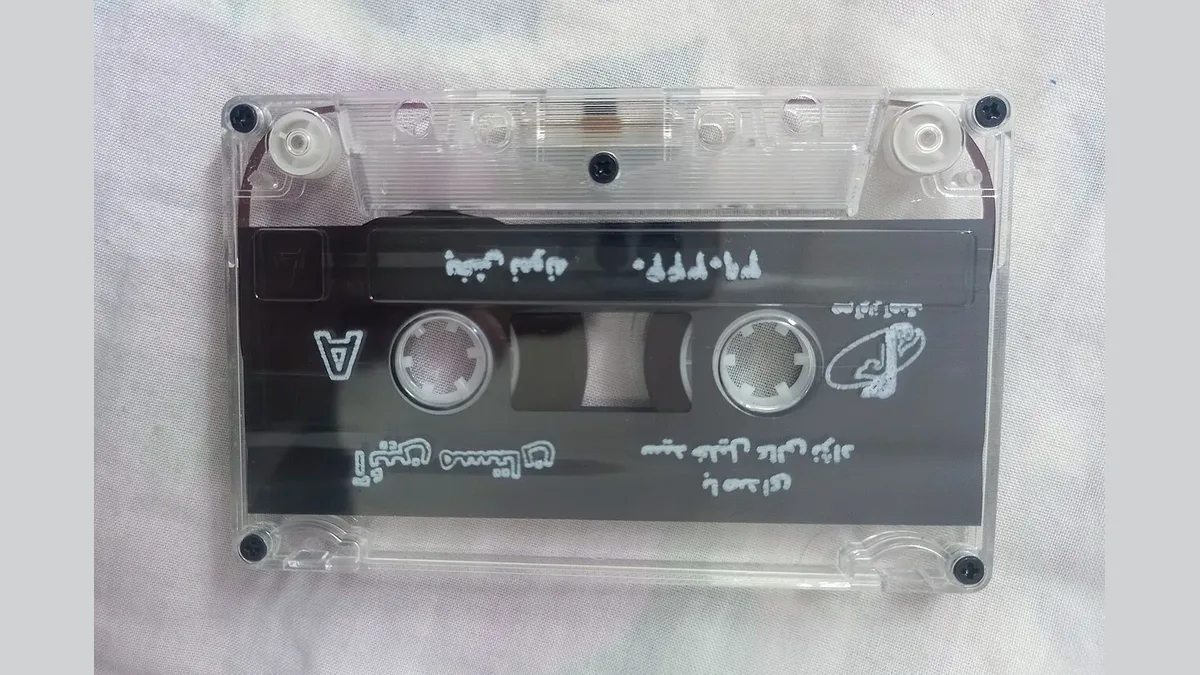 Technology1970s-1990s
When the Cassette Broke the Broadcaster's Monopoly
For fifty years a Sinhala song had to be approved before anyone could hear it. Then came a plastic box with two spools, and a song refused by the state could still be sold.
Read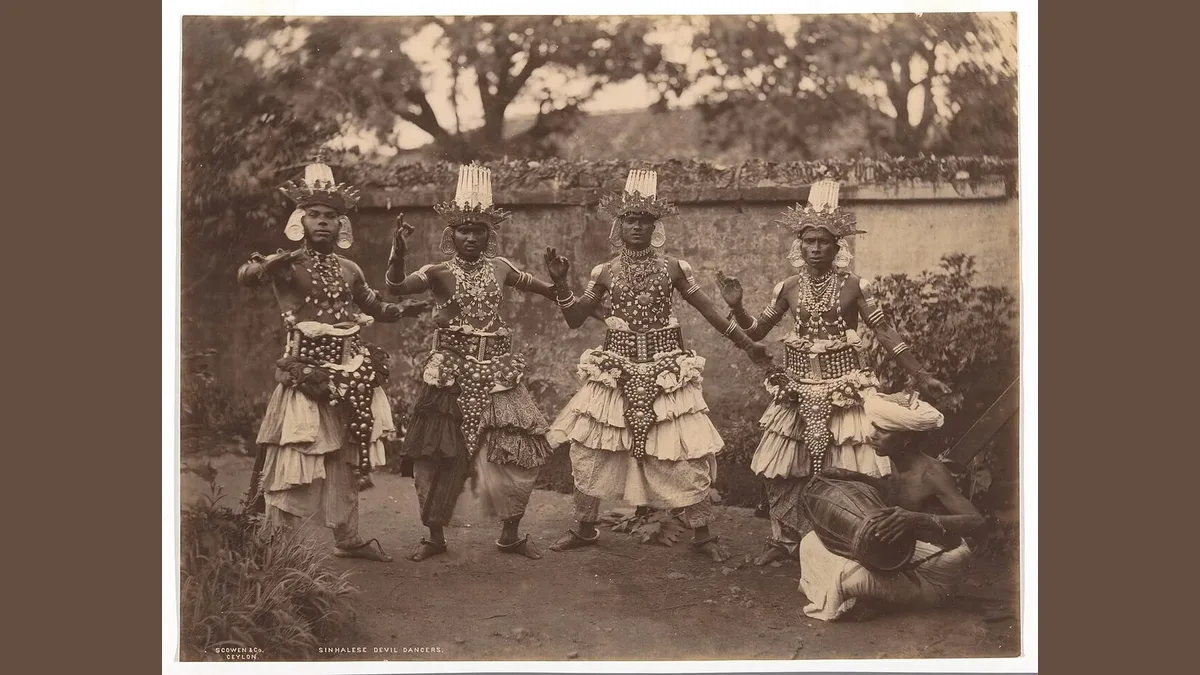 ControversyPre-colonial-present
The Caste That Owned the Drum and Was Despised for It
No Sri Lankan ritual can happen without a drum, and for centuries almost every drummer came from one caste that was held in contempt for playing it. Then the knowledge was nationalised.
Read Modern2020s
Two Singers, One Planet: The Real Making of Manike Mage Hithe
A lockdown recording from Anuradhapura, a cover ten months later, and a global hit. The credit feud everybody repeats is contradicted by the original singer himself.
ReadAll Stories (45)
 OriginsPre-colonial-present
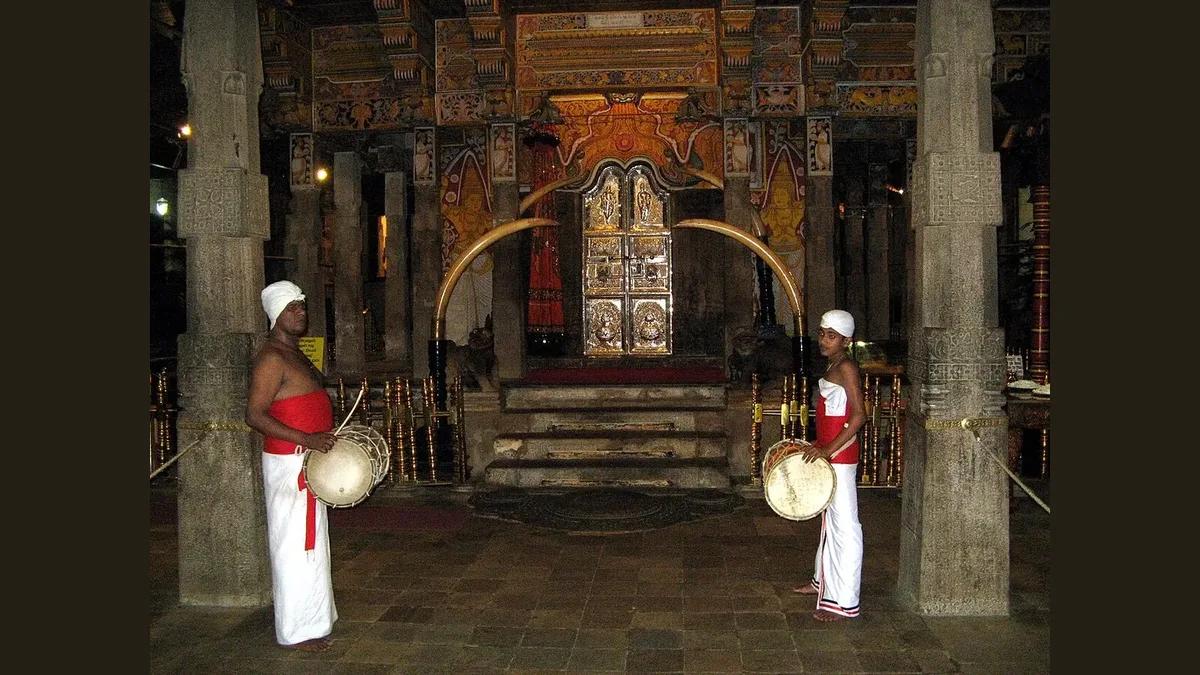
Three Countries, Three Drums
Sri Lanka's drumming splits by region and by instrument — geta bera for the hills, yak bera for the coast, davula for Sabaragamuwa. The differences go all the way down to what the skin is made of.
Read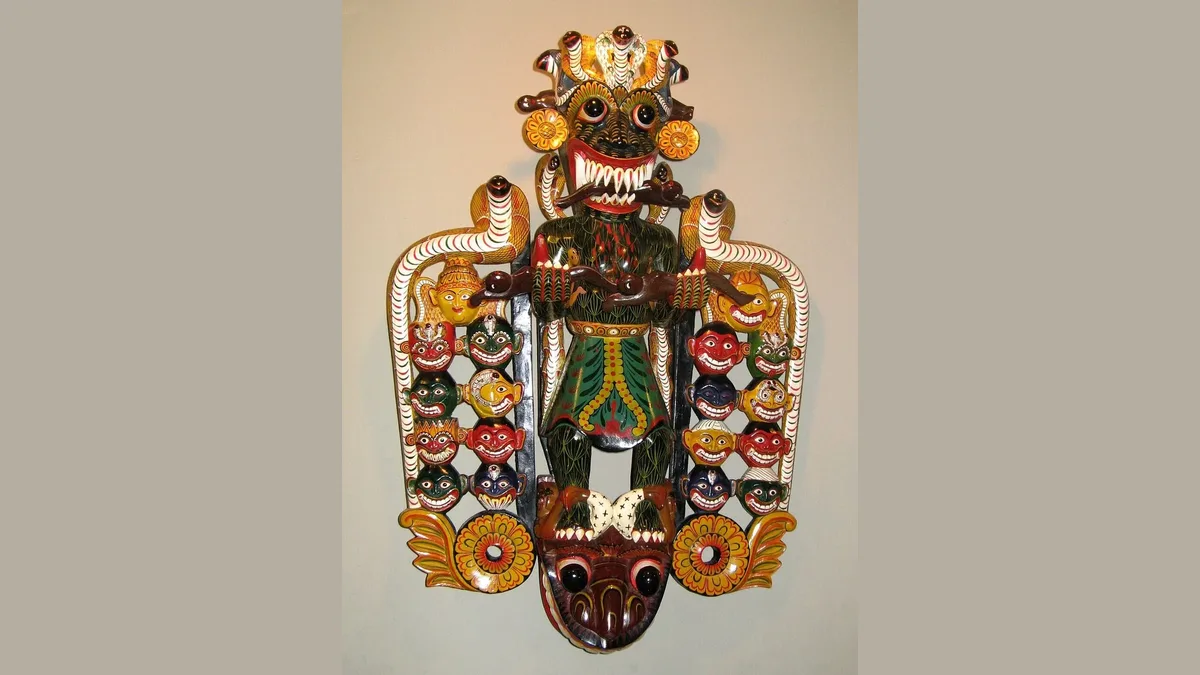 OriginsPre-colonial-present
Daha-Ata Sanniya: When Eighteen Demons Were a Diagnostic Manual
An all-night Sri Lankan exorcism summons eighteen masked diseases in turn. Two doctors writing in the BMJ argued that the masks are not superstition but a working classification of illness.
Read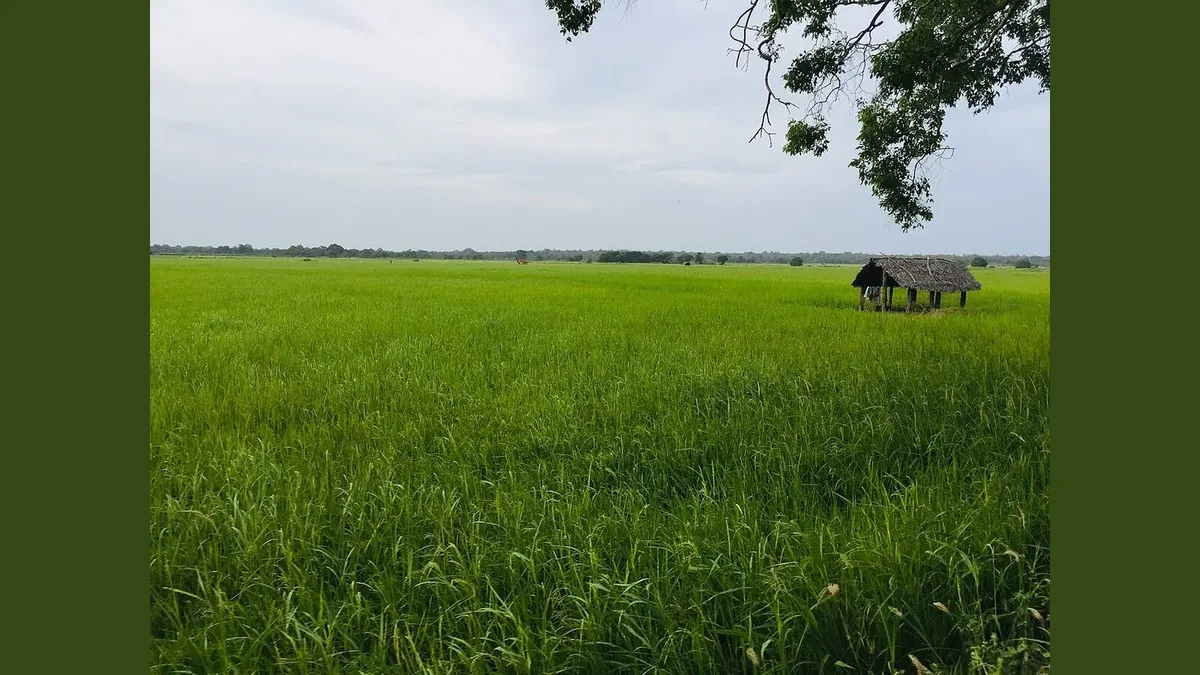 OriginsPre-colonial-present
The Watch Hut at Midnight: Why Pel Kavi Were Sung to Elephants
A man alone on a platform above a paddy field sings all night — partly to stay awake, partly to tell the elephants a human is there. The oldest job in Sinhala music is still being done.
Read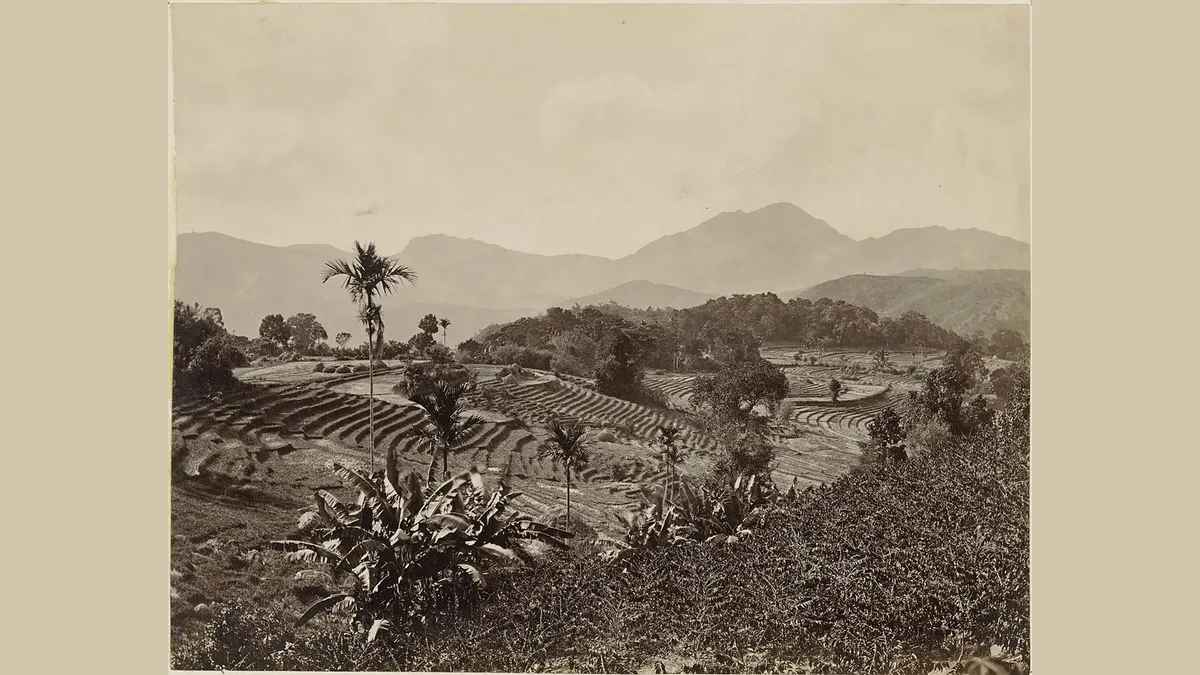 OriginsPre-colonial-present
Four Lines and a Job: How Seepada Carried a Working Island
Almost every Sinhala work song is a four-line verse with a job's name attached. Sri Lankan musicologists now argue that seepada is not a stanza at all, but a way of singing.
Read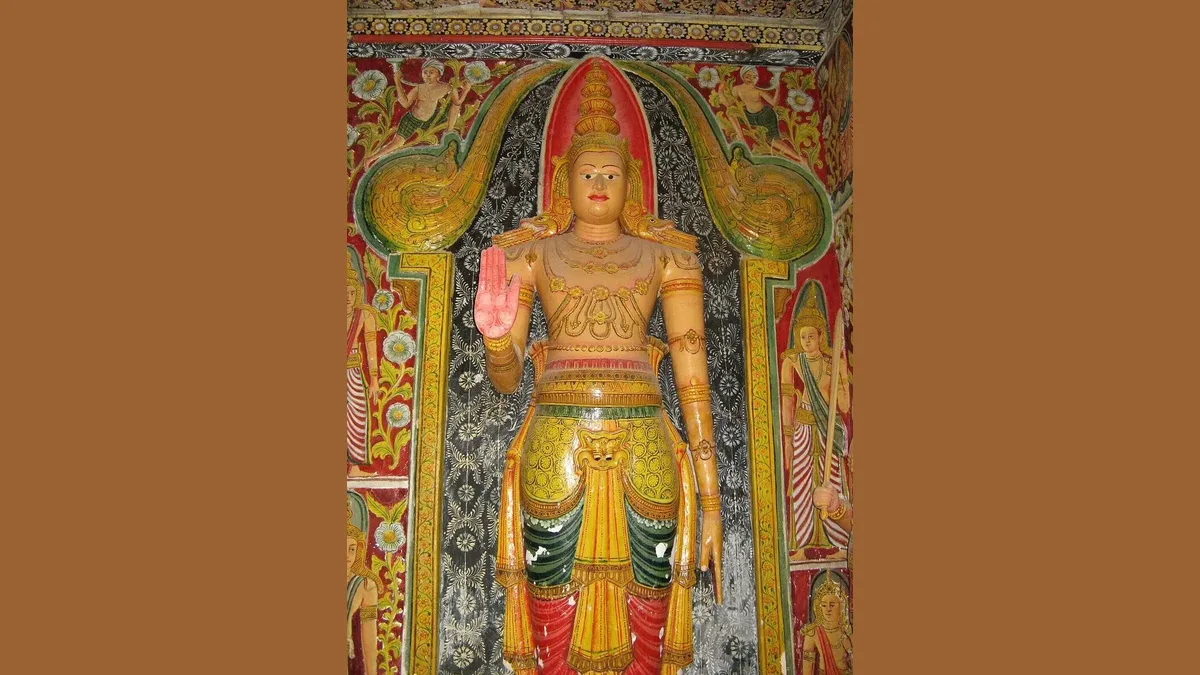 Origins1600s-1900s
Kaffrinha Before Baila
Before baila had a Sinhala word in it, it had two named forms, a triangle, a frame drum, and a community brought here in chains. Much of that music has still never been studied.
Read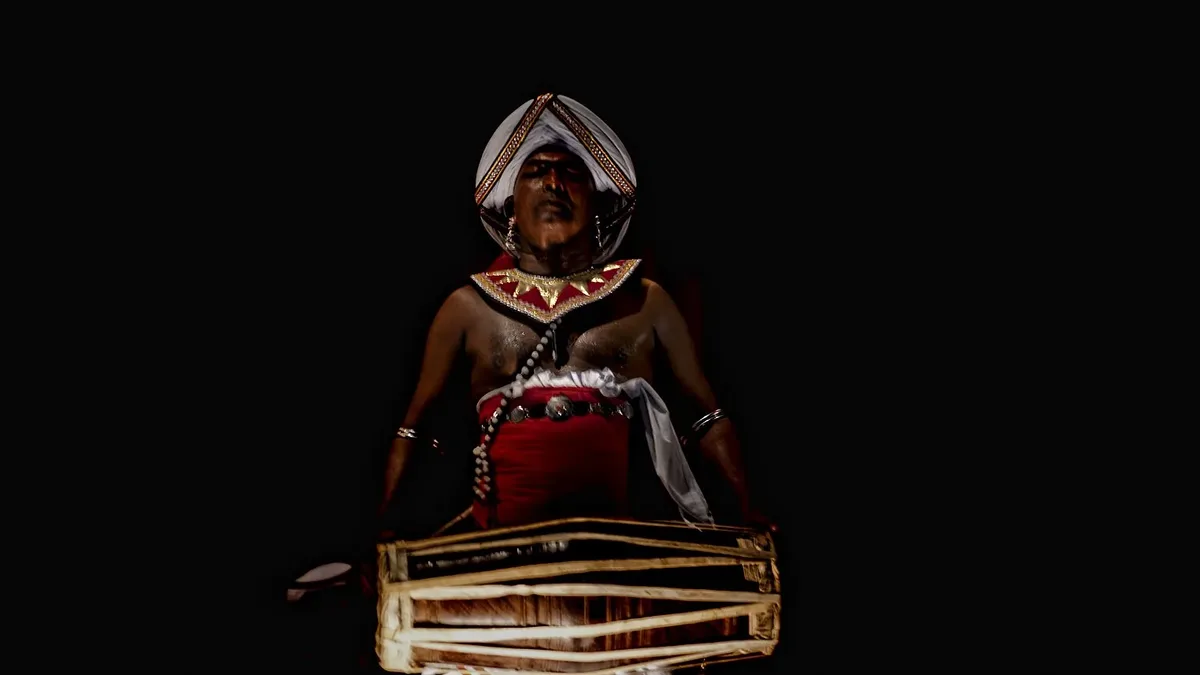 OriginsPre-colonial-present
Kohomba Kankariya: The Rite the Drums Came Out Of
The all-night Kandyan rite was never a dance recital. It was a drummed liturgy for a whole village — and almost every step and syllable on the modern Kandyan stage was lifted out of it.
Read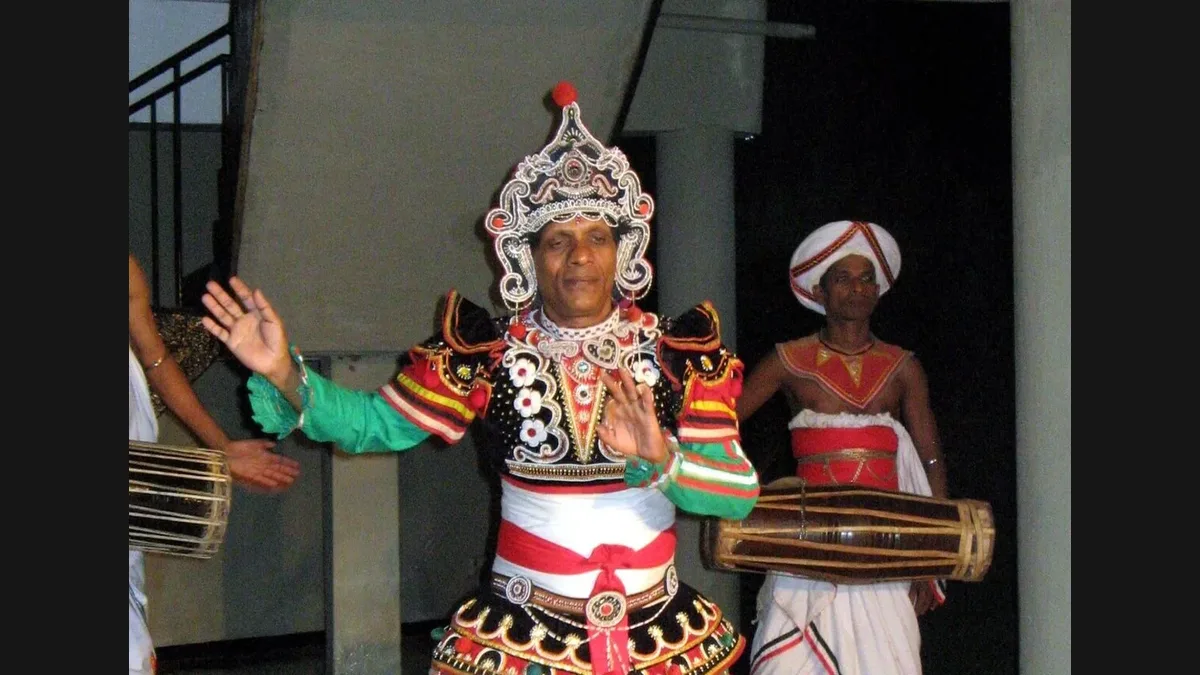 Origins1700s-1960s
The Eighteen Vannam: Court Songs a Sage Wrote for a King
A conch, an elephant, a chariot-horse: eighteen songs of descriptive praise composed in a Kandyan king's poetry hall, each carrying one fixed mood — and strip-mined two centuries later for the radio.
ReadThe Christmas Play in Chilaw: How Catholic Theatre Invented Sinhala Drama
A nativity play on a semicircle of piled earth under coconut thatch, sung from first line to last. The nadagama was Sri Lanka's first opera, and it was Catholic before it was anything else.
ReadTechnology1850s-1900sThe Violin on the Temple Wall
A Buddhist muralist near Colombo painted a violin around 1850 — upside down, with the wrong bow. Where and when painters got it right tells us how the instrument actually arrived.
ReadMovement1870s-1910s26 May 1877: The Night Indar Sabha Came to Colombo
A Bombay troupe brought an Urdu opera to Ceylon and changed which India Sinhala music looked to. The swing from Carnatic to Hindustani was ideological, not musical — and everything after it is a reaction.
Read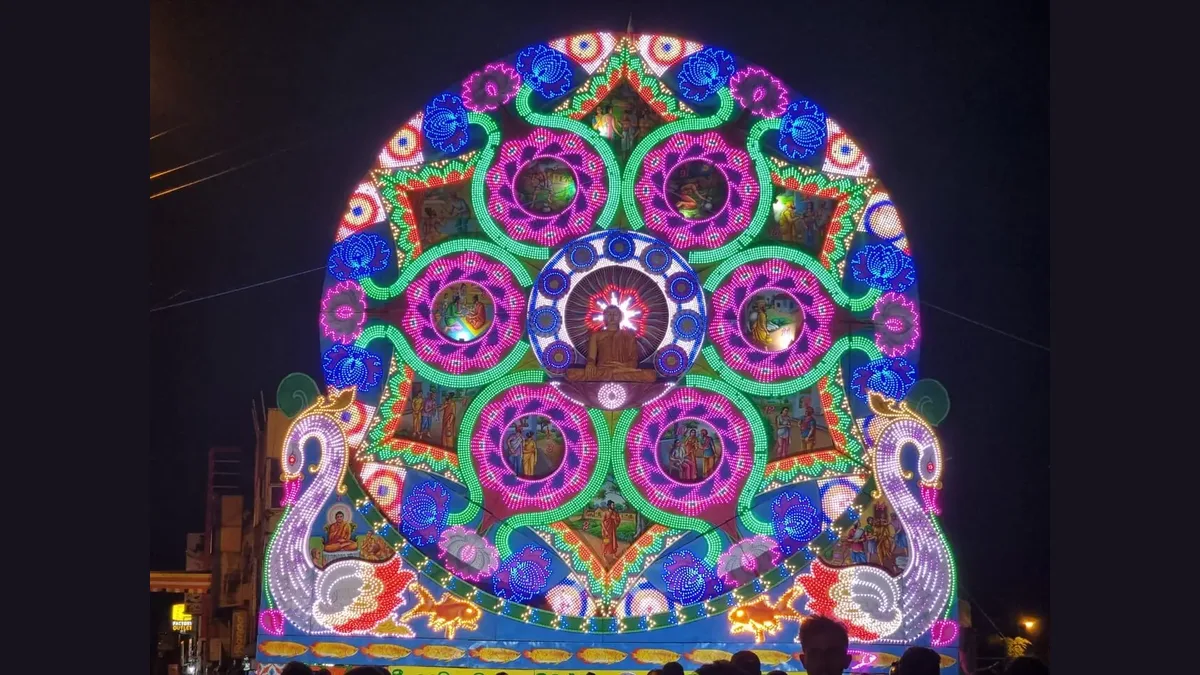 Genre1890s-present
Bakthi Gee Was Invented to Answer the Christmas Carol
Sinhala Buddhist devotional song is not ancient. It was built in the late nineteenth century, deliberately, because Christian hymns had become familiar and something had to be sung back.
Read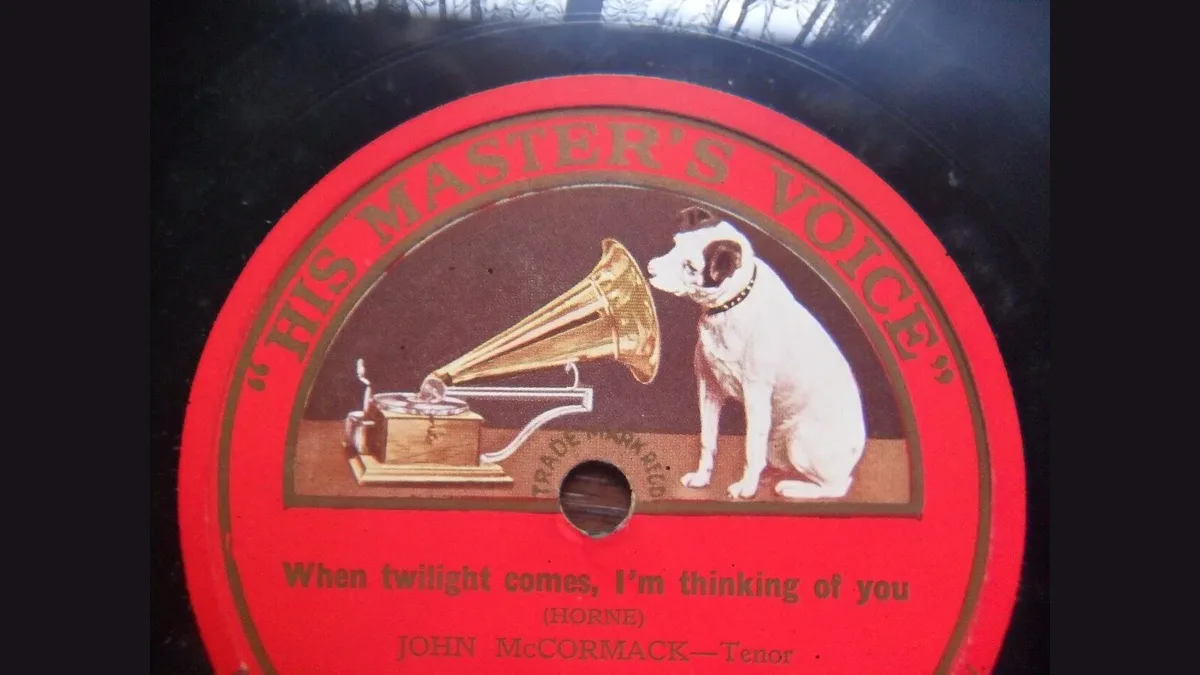 Technology1900s-1930s
How Colombo Got Its Recording Sessions
The first gramophone man to reach Ceylon stayed forty-eight hours and recorded nothing. The sessions that mattered survive as two lines in a London engineer's notebook.
Read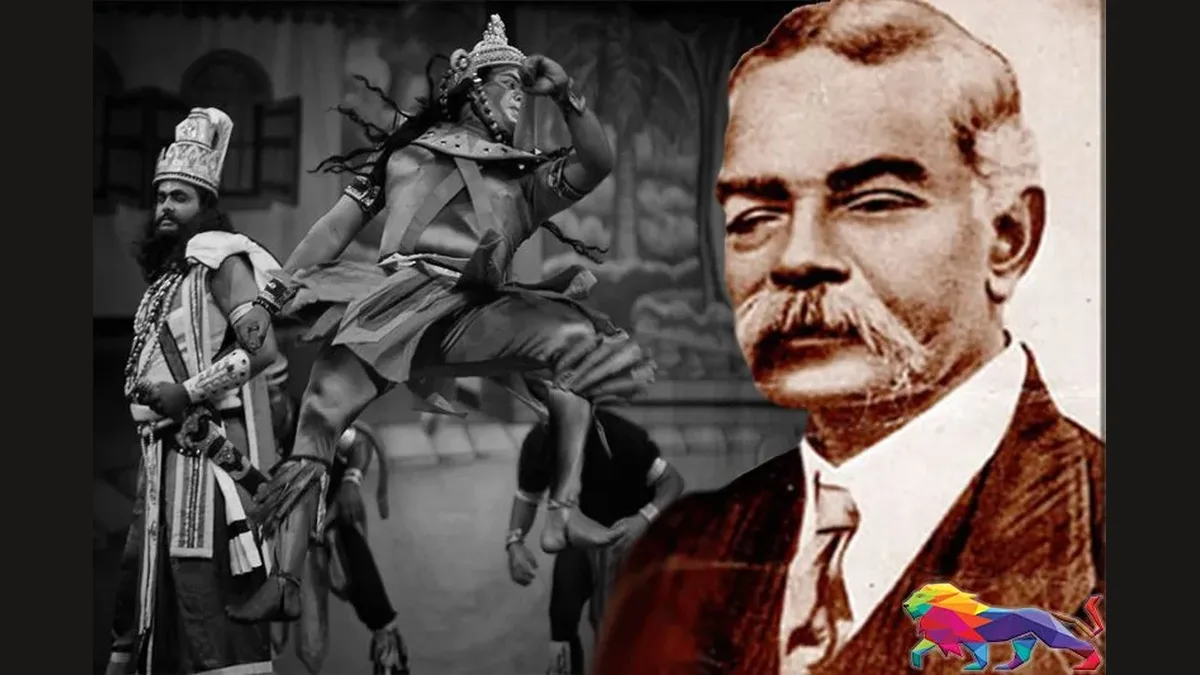 Song Story1900s-2010s
Danno Budunge: A Bombay Melody and the Argument of 2016
A song written for a Colombo stage play in 1903, to a tune by an Indian musician, was defended in 2016 as sacred and un-Western. Its own history says otherwise.
Read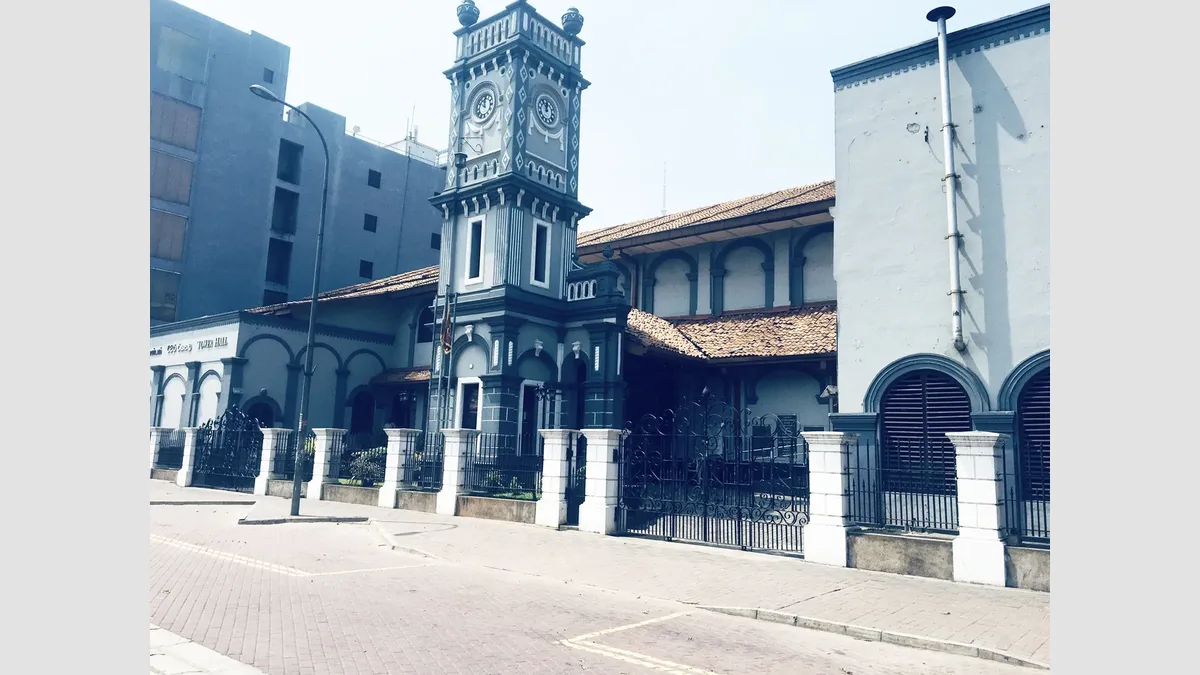 Institution1900s-1930s
Tower Hall, 6 December 1911
Sri Lanka's first purpose-built theatre opened one morning under Anagarika Dharmapala and, that same evening, staged a play before the Governor. The man who built it had backed the wrong dramatist — or so the story goes.
Read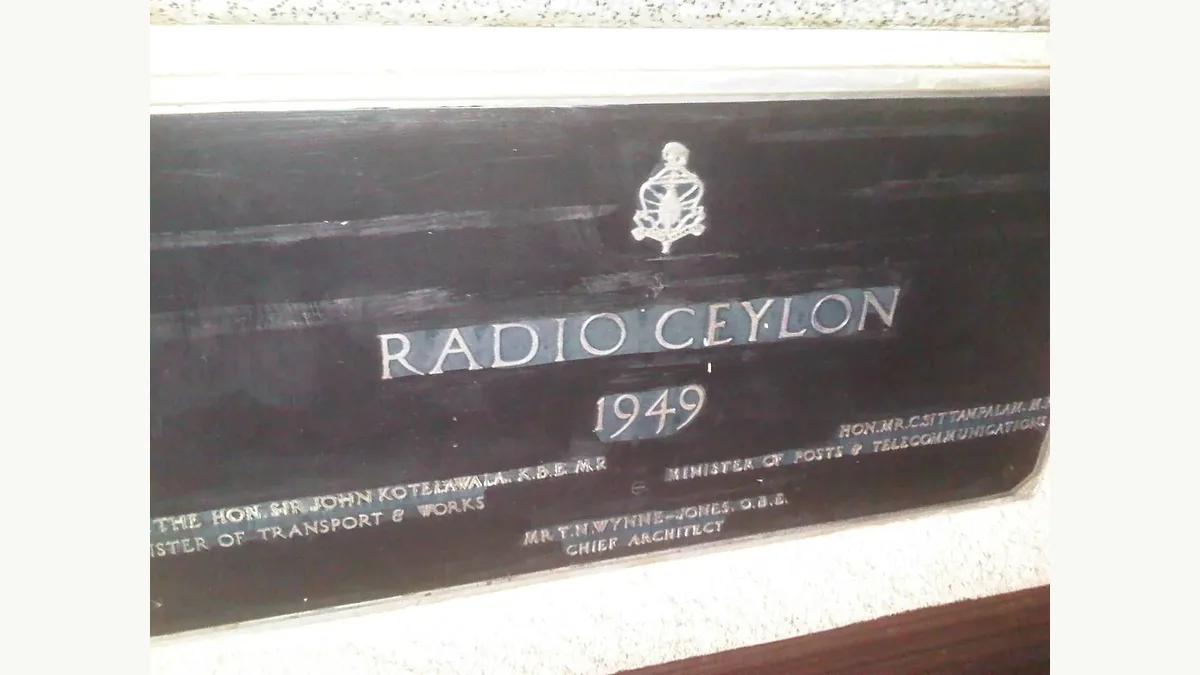 Institution1920s
Colombo Calling
Asia's first radio station began with gramophone records played into a microphone in a telegraph office — and with a transmitter that may or may not have been salvaged from a German submarine.
Read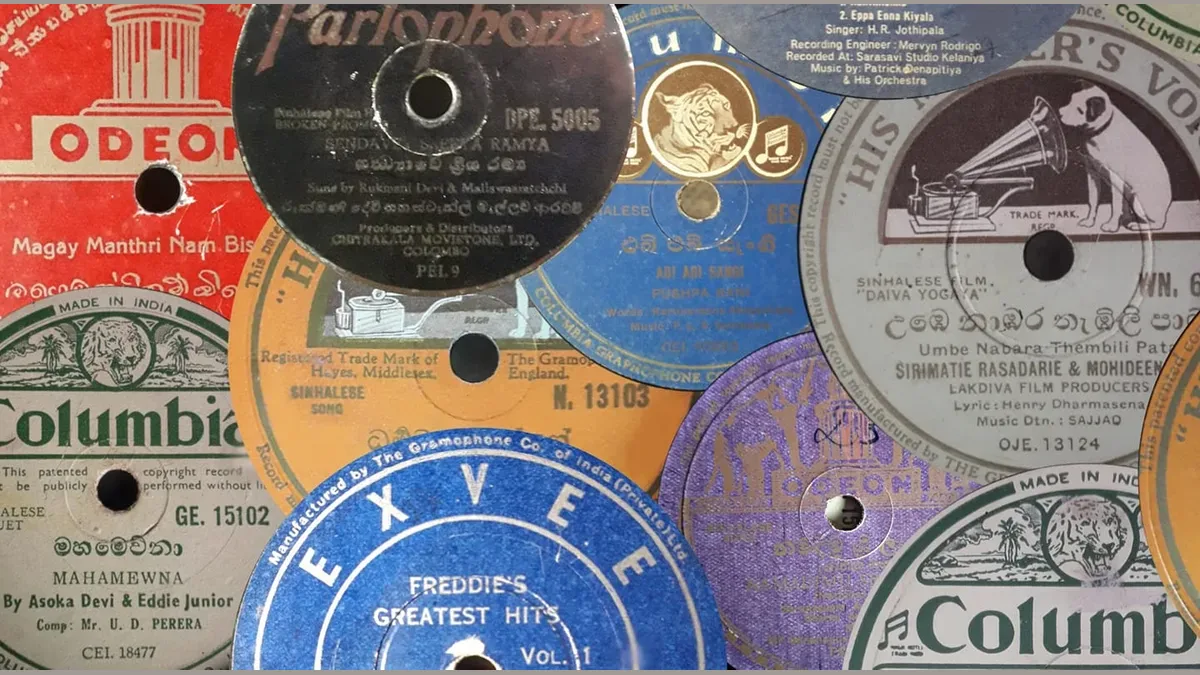 Genre1930s-1940s
Alut Sindu: The Echo Trade
In 1930 Parlophone gambled on six double-sided discs of something new. The Sinhala word for the tunes that followed was anunada — echo — and it was an honest description.
Read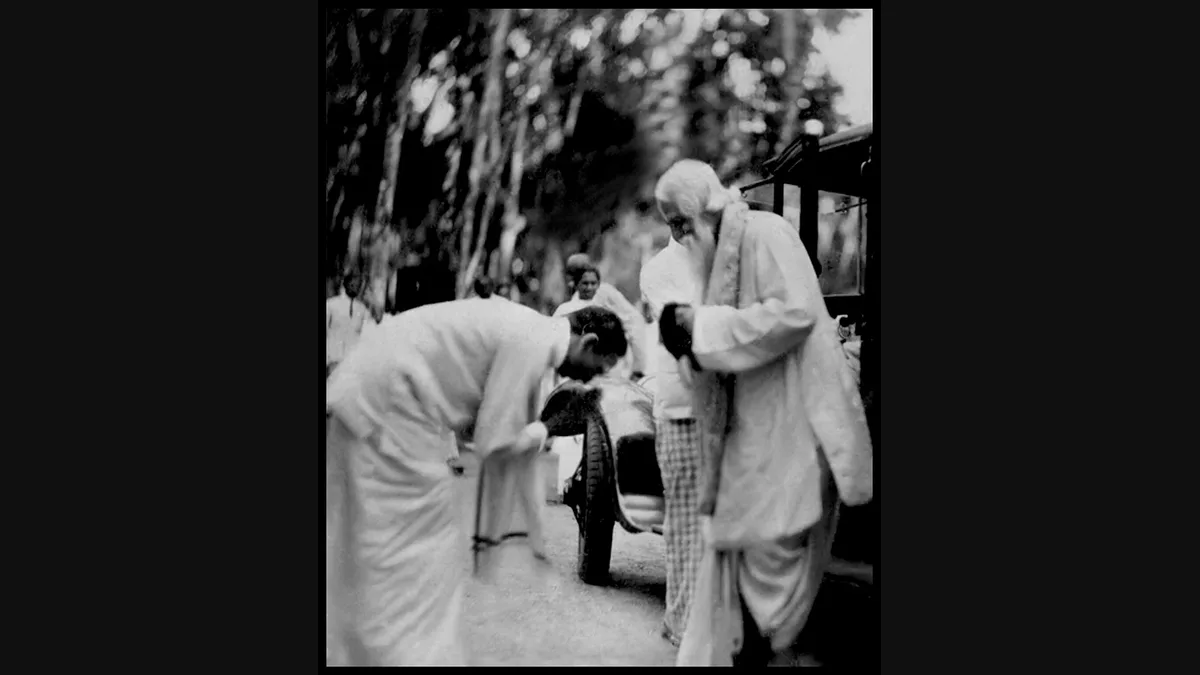 Movement1930s-1940s
Shapmochan in Ceylon: Tagore's Visit and the Santiniketan Generation
In 1934 Rabindranath Tagore came to Ceylon for the last time. Two young men in the audience went to Bengal because of it — and between them produced the national anthem and the movement that would turn against India.
Read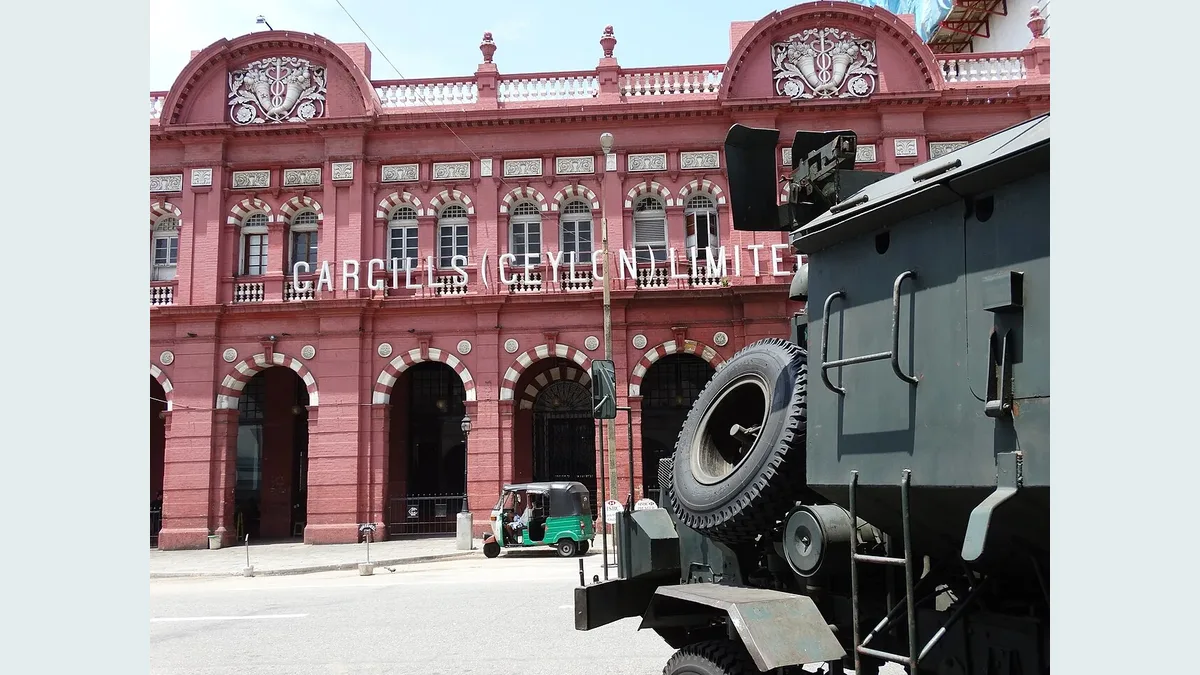 Institution1930s-1940s
The Cargills Hundred
Ceylon's record business ran through a Fort department store that also sold Australian butter. In 1939 that store and His Master's Voice made a hundred Sinhala records together.
ReadControversy1940s-1960sA Song for Schoolboys, and the Beheading of an Anthem
A Galle music master wrote a patriotic song for his pupils in 1940. Eleven years later it was the national anthem; twenty-one years later its first line had been cut off.
ReadControversy1930s-1970sVacana Danava: The Long War Against Putting Words on Hindi Tunes
For forty years the fastest way to make a Sinhala hit was to buy a ticket to a Hindi film, memorise the tune, and fit Sinhala syllables to it. It even had a name.
Read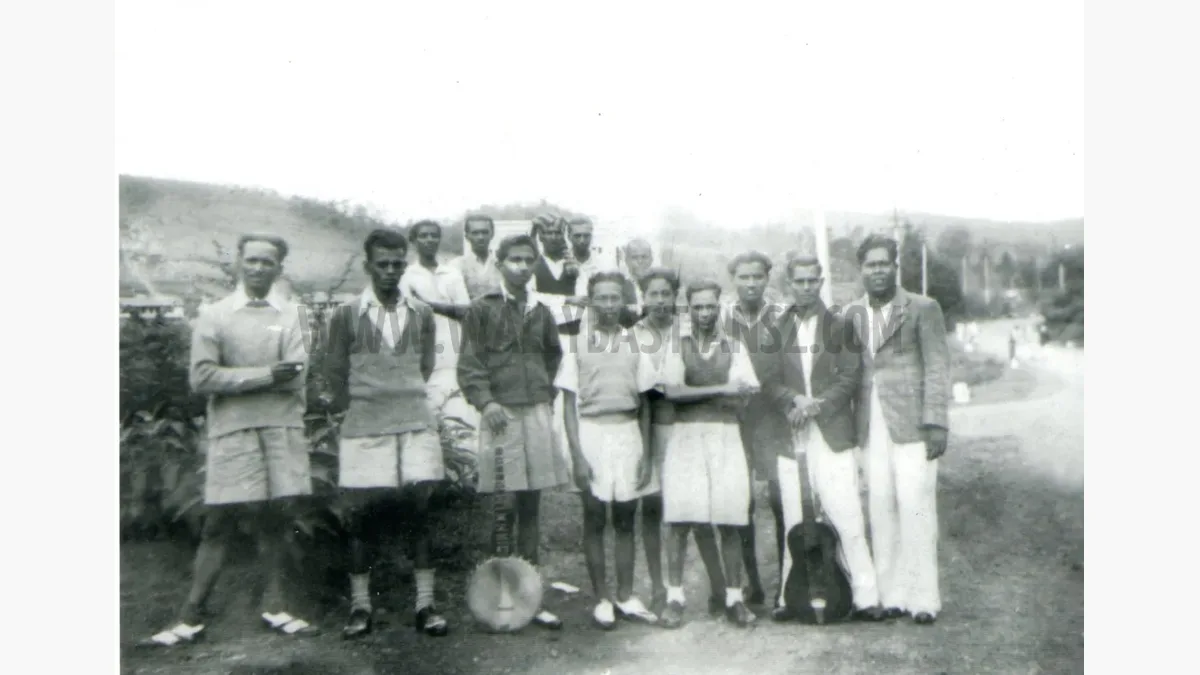 Genre1940s-2000s
The Traffic Policeman Who Made Baila Respectable
Sinhala baila was built by a policeman out of a 6/8 dance rhythm, a chorus and the contents of the crime pages. It took the music establishment half a century to stop sneering.
Read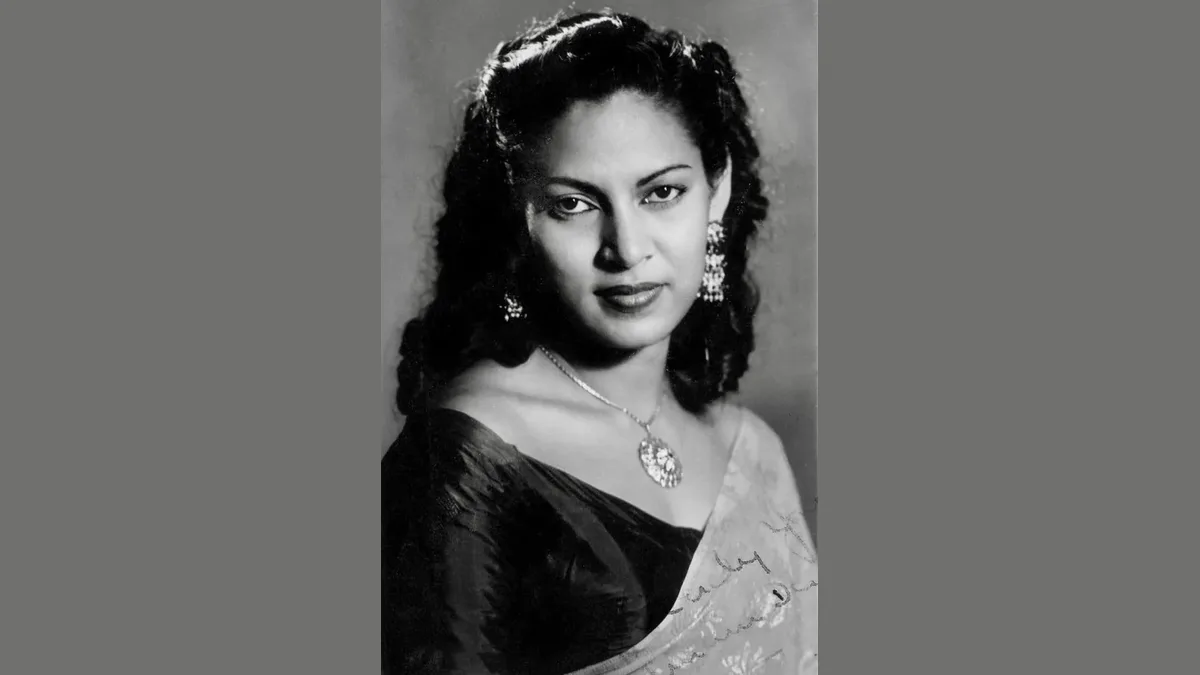 Genre1940s-1950s
The Broken Promise Was Made in Madurai
The first Sinhala talkie was shot in a South Indian studio by an all-Indian crew, and its songs went out on Parlophone. The formula it set ruled Sinhala cinema for twenty years.
Read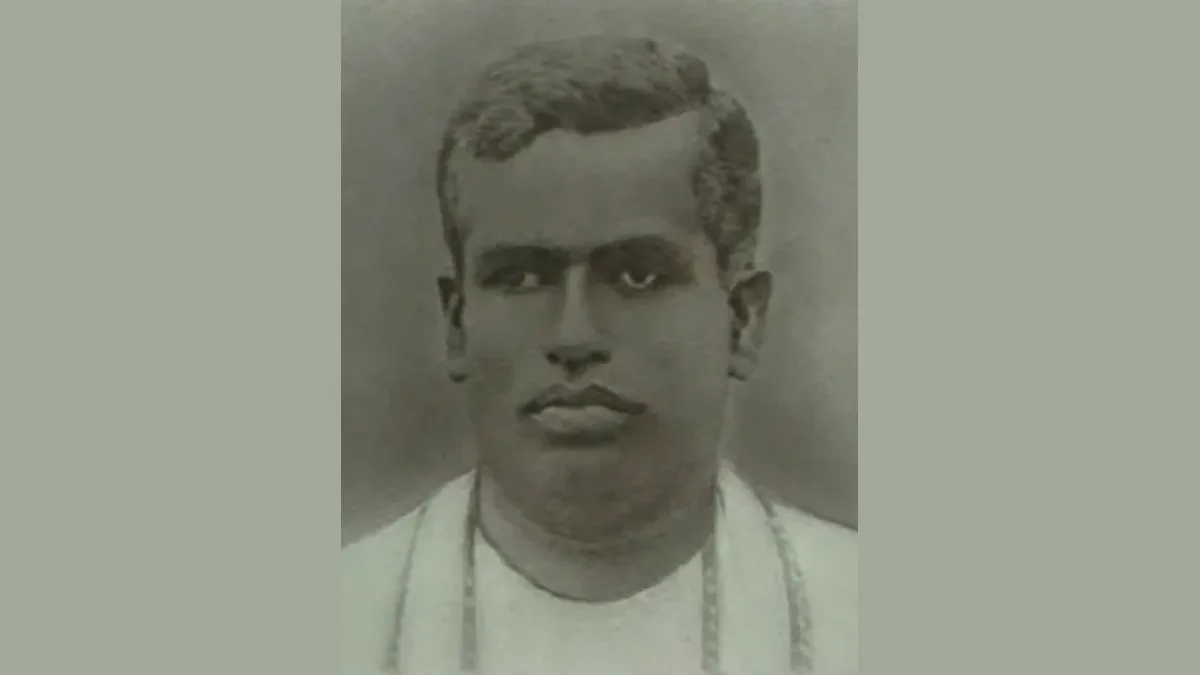 Song Story1940s
Olu Pipila: How the Hela Havula Opened a Musical Front
A song about picking water lilies became the first record Radio Ceylon ever cut. Its argument was in what it left out — every ornament its singer had spent five years in India learning.
ReadControversy1940s-1960sThe Voice Test Sunil Santha Refused
A visiting professor from Lucknow graded 716 Ceylonese musicians for national radio and gave five of them an A. Three years later, one of the five walked out.
Read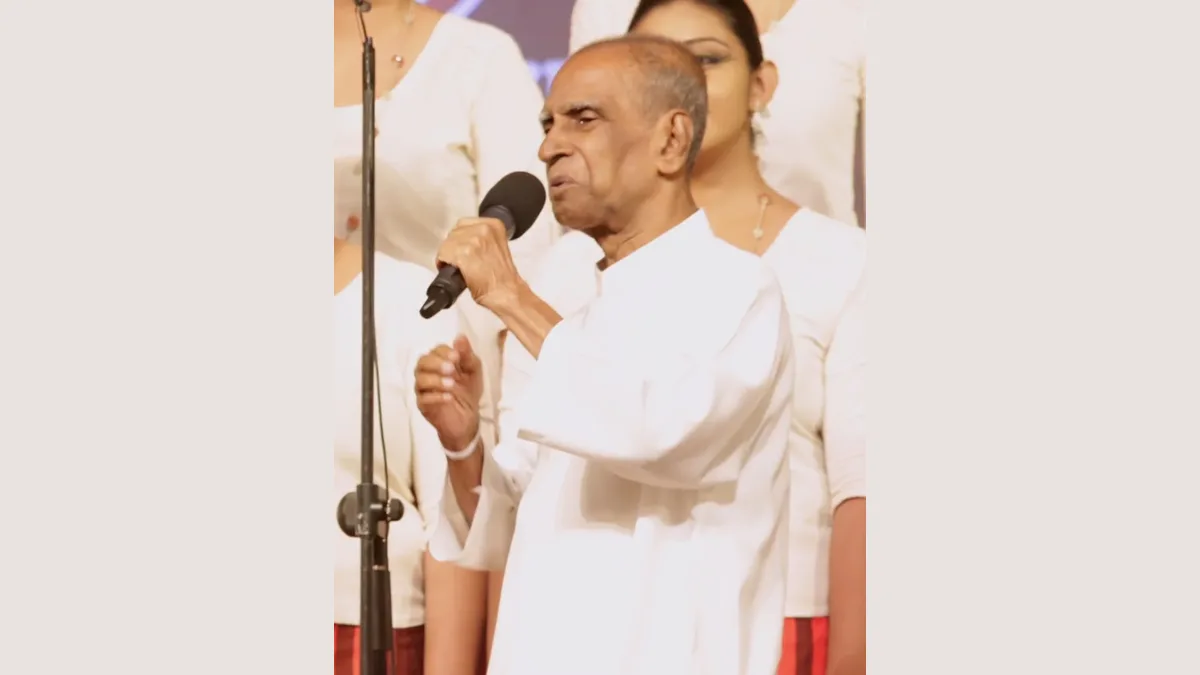 Movement1950s-1960s
The Lecture That Invented Sarala Gee
An Indian musicologist told a Colombo audience in 1952 that Lanka's real music was in its villages. Two men treated the speech as a set of instructions, and a genre came out of it.
ReadInstitution1950s-1960sKing of the Airwaves
A minister in Delhi decided film songs were vulgar and threw them off All India Radio. Hundreds of millions of listeners simply turned the dial to Colombo, and stayed there for thirty years.
ReadMovement1930s-1960s"Her Father Got Very Angry": The Boat to Madras and the Women Who Couldn't Board It
Sinhala films were scored in Madras and Calcutta, so a playback career meant a sea voyage. For a respectable Ceylonese daughter that was the end of the conversation.
Read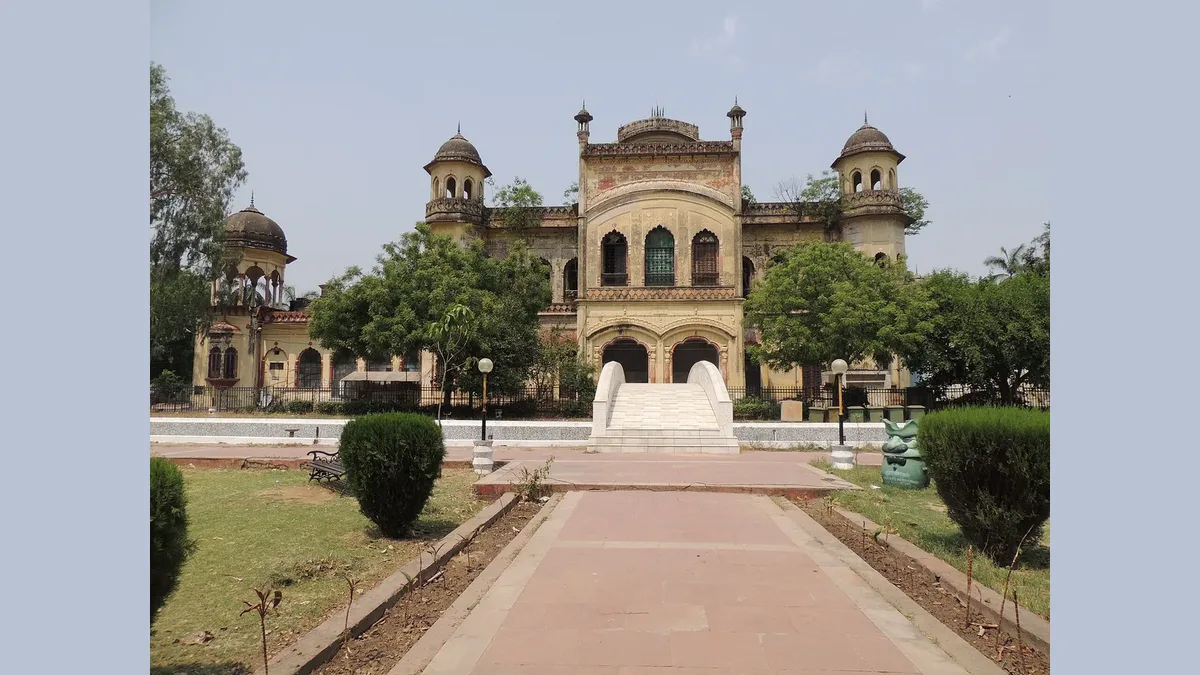 Genre1950s-1960s
Gita Natakaya: The Radio Opera Nobody Remembers
On 8 December 1955 Radio Ceylon broadcast an opera written for no stage, no audience and no scenery — a genre with no precedent in Sinhala, invented on purpose and forgotten within a decade.
Read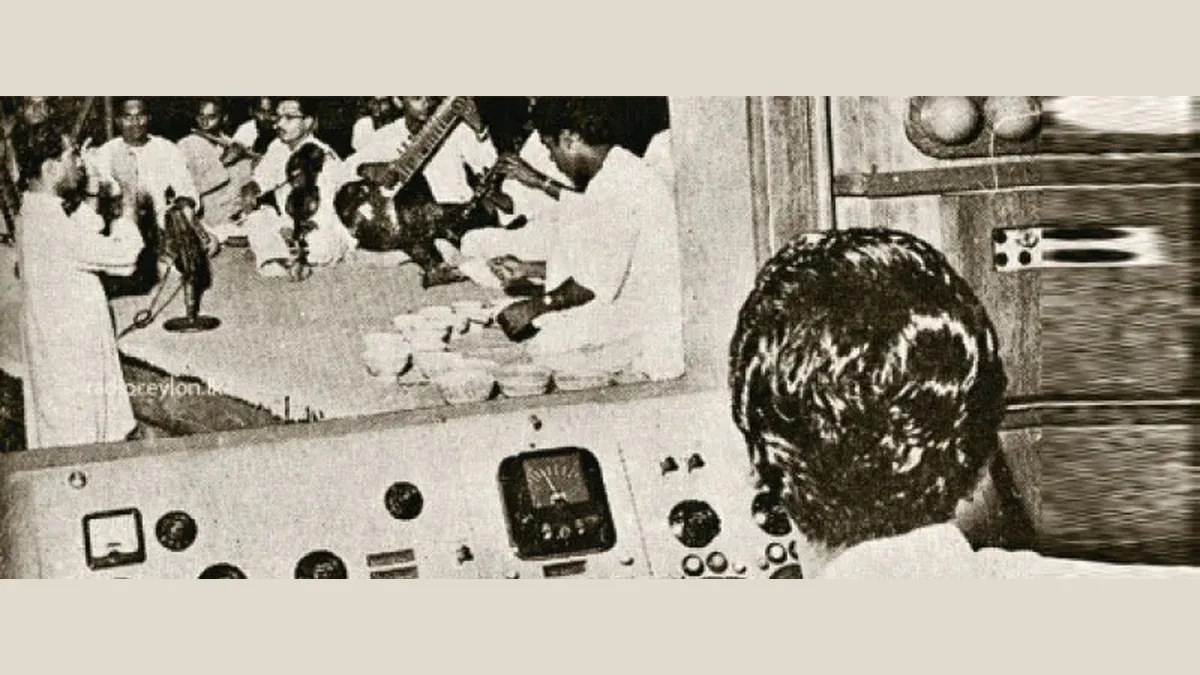 Movement1950s-1970s
Jana Gayana: The Committee That Set Out to Invent a National Music
Asked abroad in 1957 to sing something that was not set to an Indian tune, a Ceylonese delegation could not. What followed was twenty years of syllabuses, conferences and village tape recordings.
Read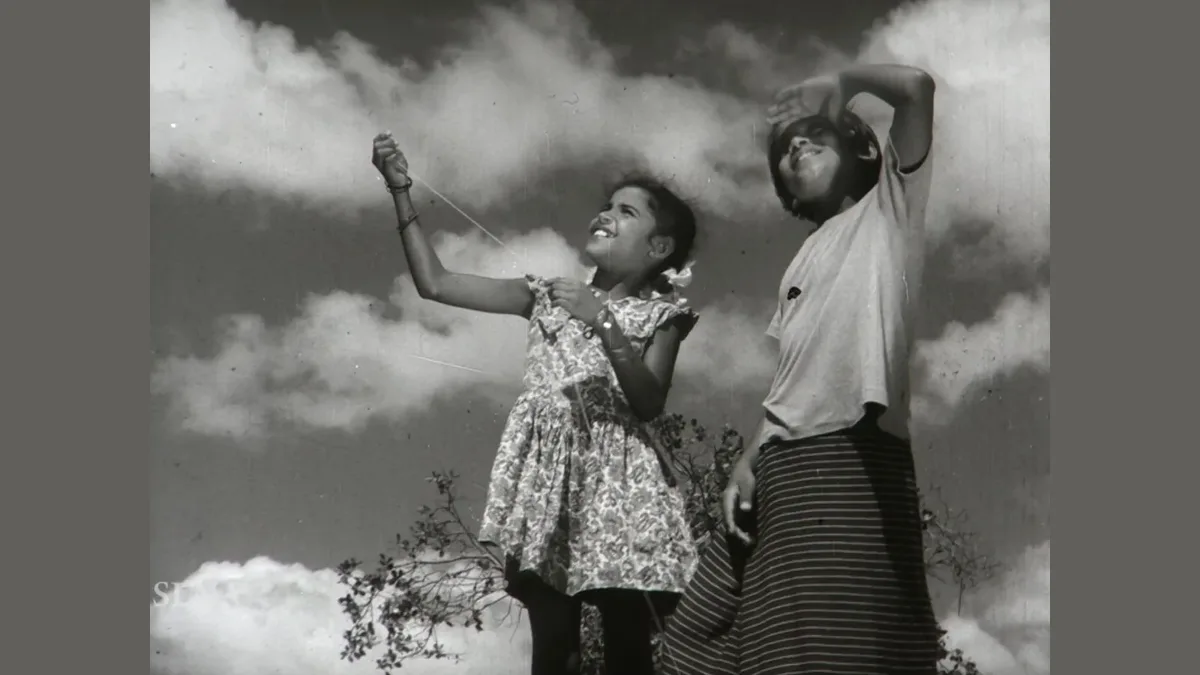 Movement1950s-1960s
Rekava's Beautiful Failure
The first Sinhala film shot entirely in Ceylon went to Cannes and lost money at home. It failed because it dropped the formula — including most of the songs.
Read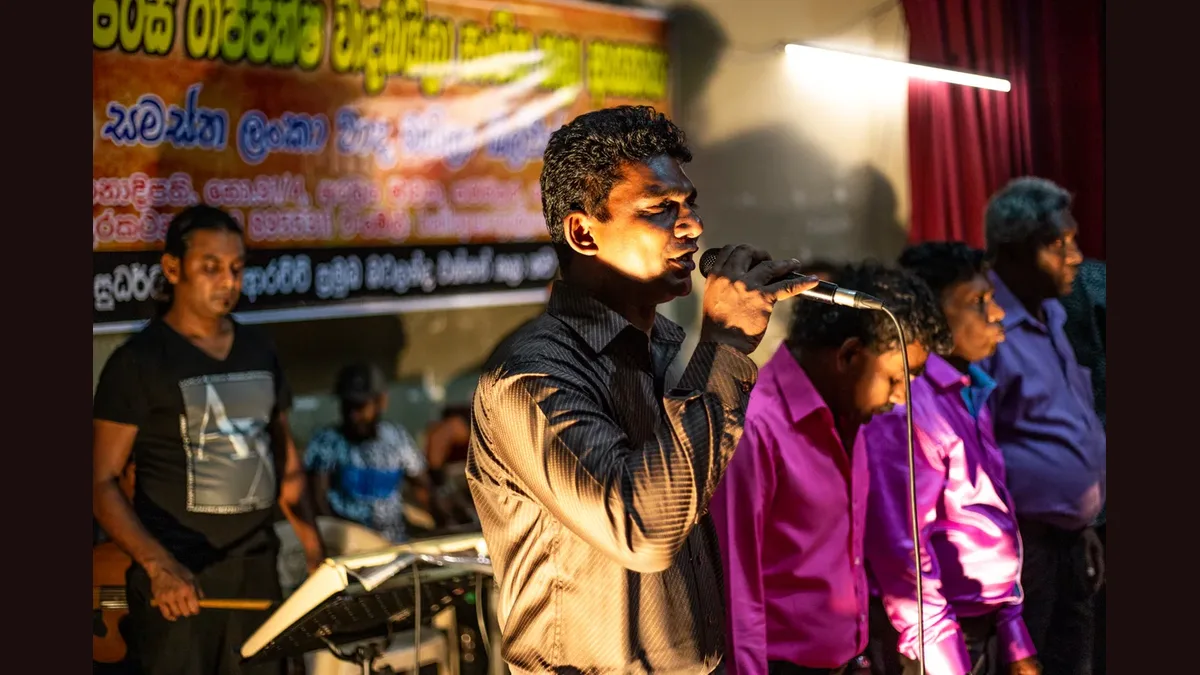 Genre1900s-present
Sri Lanka Had Rap Battles Before It Had Rap
In vaada baila the audience names the subject and the singers must answer in verse, on the beat, on the spot. Of the hundreds who could once do it, thirty or forty remain.
Read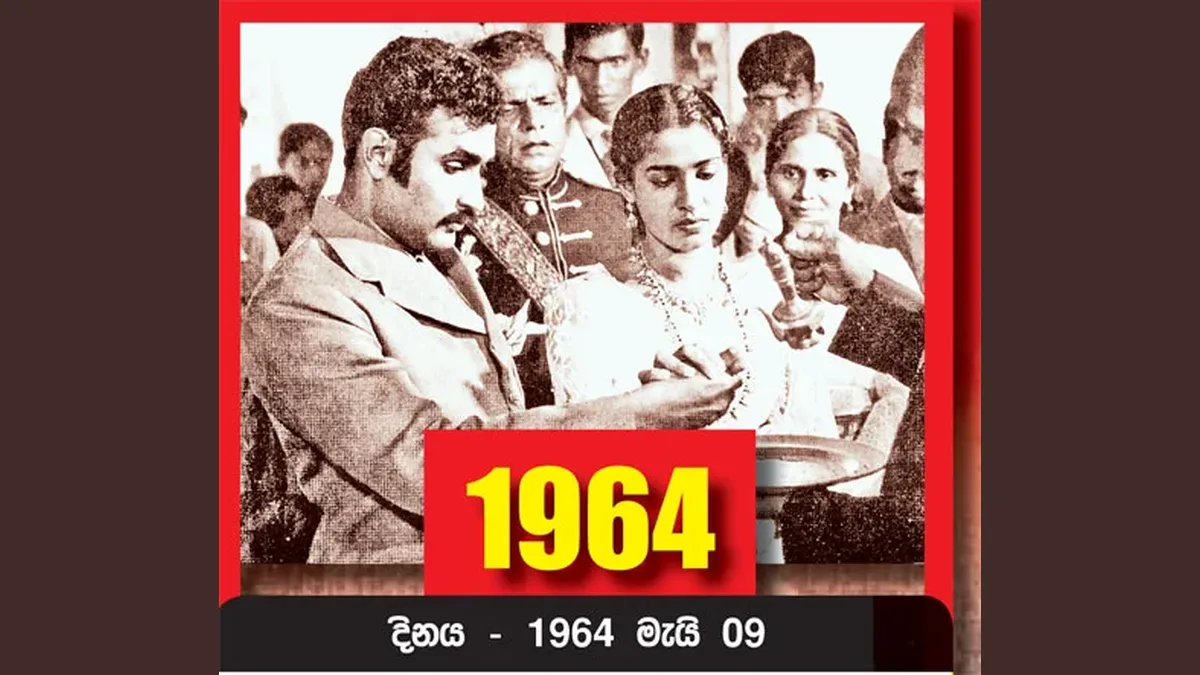 Institution1960s-present
The First Sarasaviya Night, 9 May 1964
Sinhala cinema was seventeen years old and had never handed out a prize. When it finally did, three of the four music awards went to one film — and a canon was born in an evening.
Read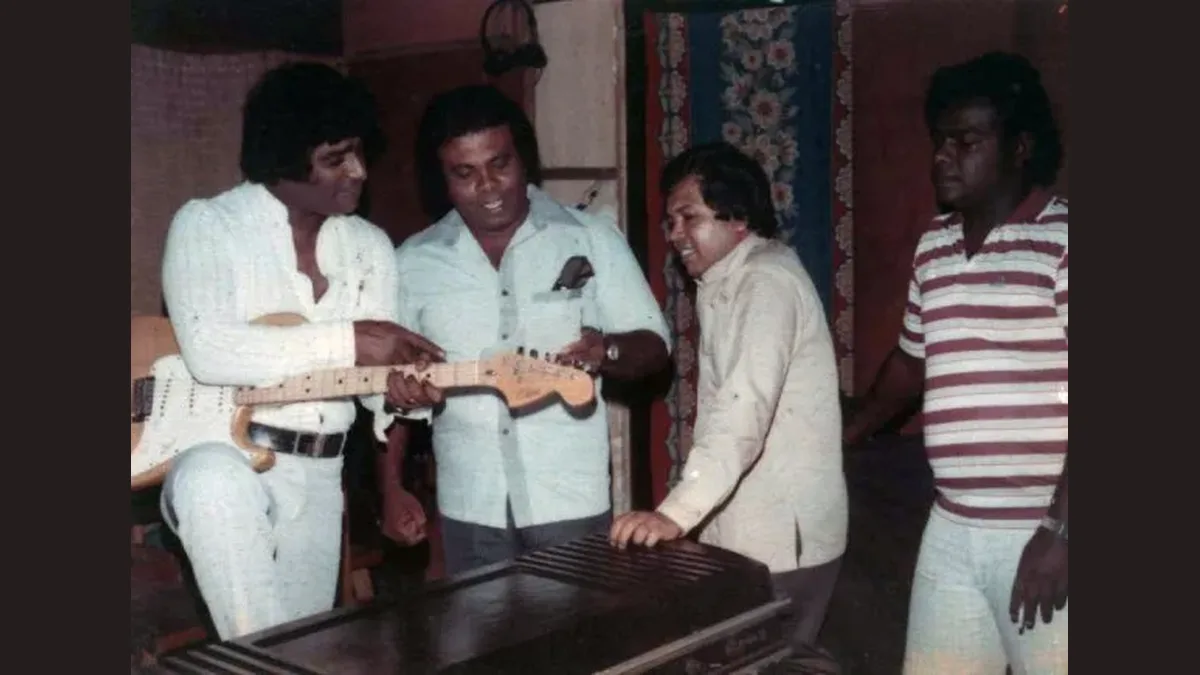 Technology1960s-1990s
The Electric Guitar Enters Sinhala
A planter's son gave up the estate for a guitar, and spent thirty years introducing Sinhala song to equipment it had never met: a wah-wah pedal, a bossa nova beat, a multi-track studio.
Read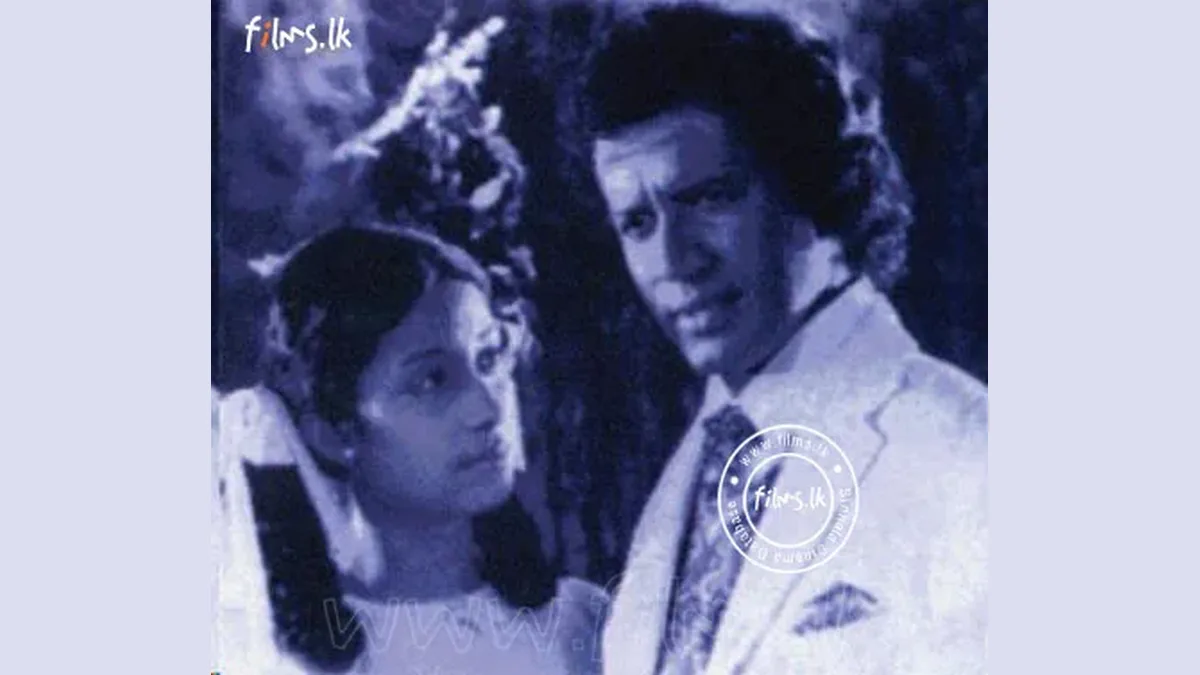 Song Story1960s-1980s
Master Sir and Ganga Addara: The Sri Lankan Who Charted in Europe
Two of the best-loved songs in Sinhala were written in English first, by a man from Colombo who had already reached Top of the Pops. Almost everything popularly believed about who made them is wrong.
Read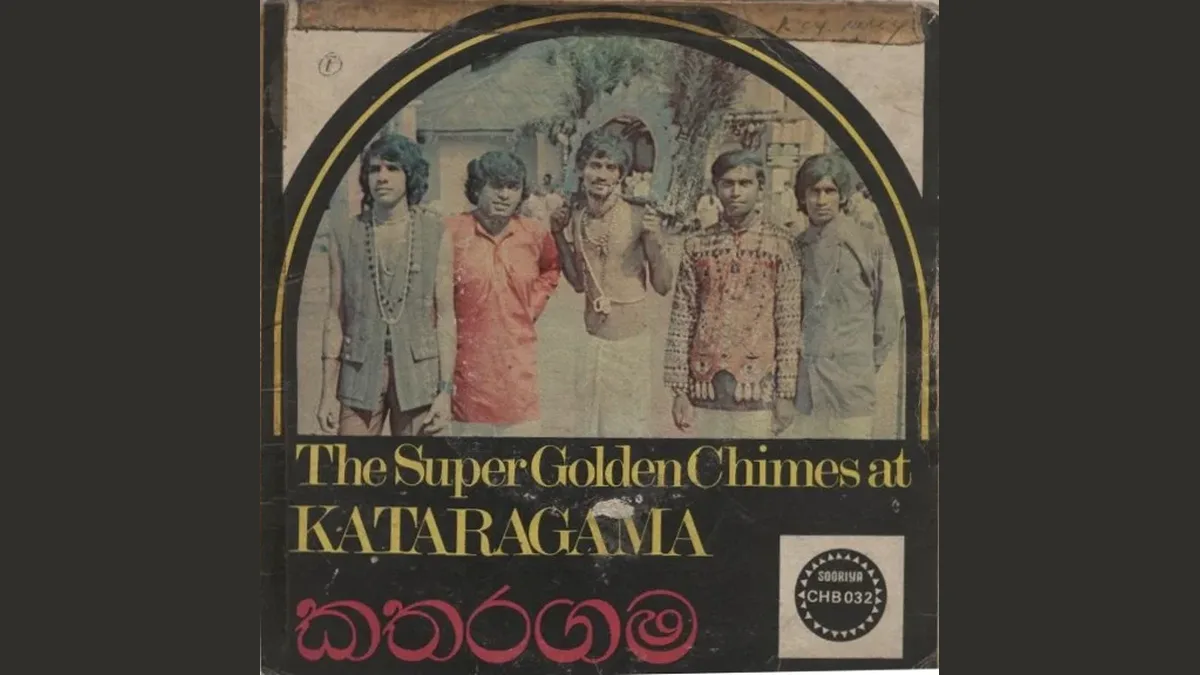 Controversy1960s-1970s
Fifteen Minutes a Week: How the State Rationed Sinhala Pop
The national broadcaster gave Sinhala group songs a quarter of an hour a week. What broke the ration was one family with standing in the English service and a bookshop in the Fort.
Read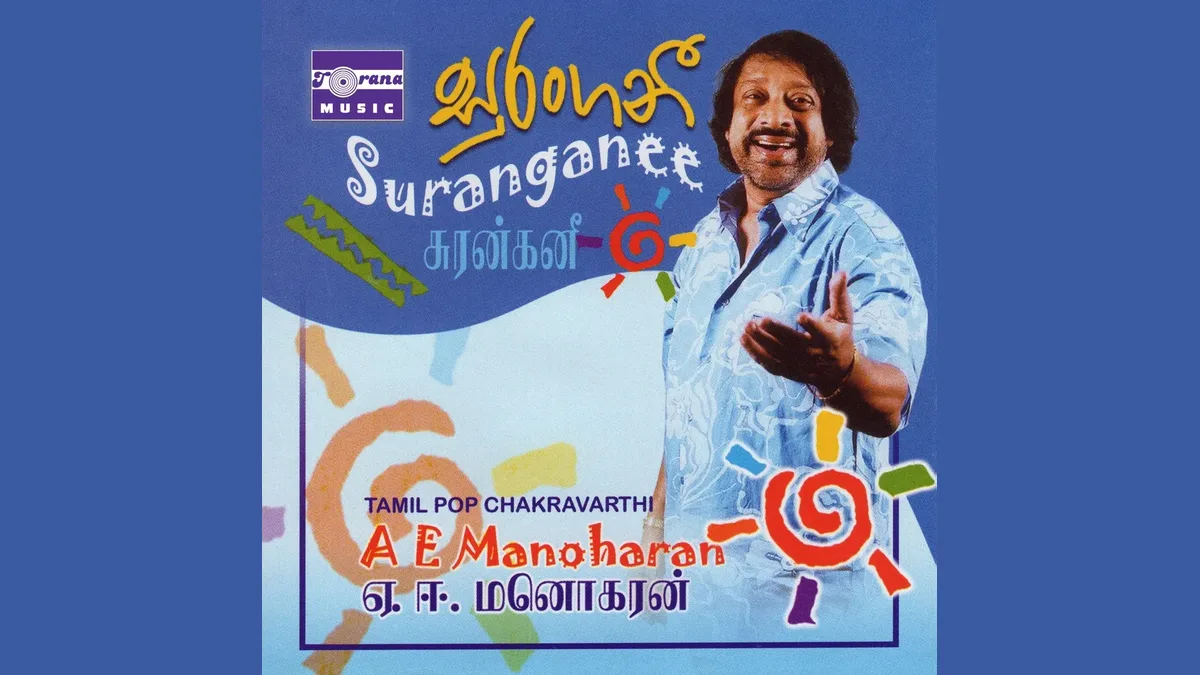 Song Story1970s-present
Surangani: The Baila That Colonised Tamil Nadu
Everyone in South Asia can sing the chorus. Nobody can say with confidence who wrote it — and the three surviving origin stories cannot all be true at once.
ReadTechnology1970s-1990sWhen the Cassette Broke the Broadcaster's Monopoly
For fifty years a Sinhala song had to be approved before anyone could hear it. Then came a plastic box with two spools, and a song refused by the state could still be sold.
ReadControversyPre-colonial-presentThe Caste That Owned the Drum and Was Despised for It
No Sri Lankan ritual can happen without a drum, and for centuries almost every drummer came from one caste that was held in contempt for playing it. Then the knowledge was nationalised.
Read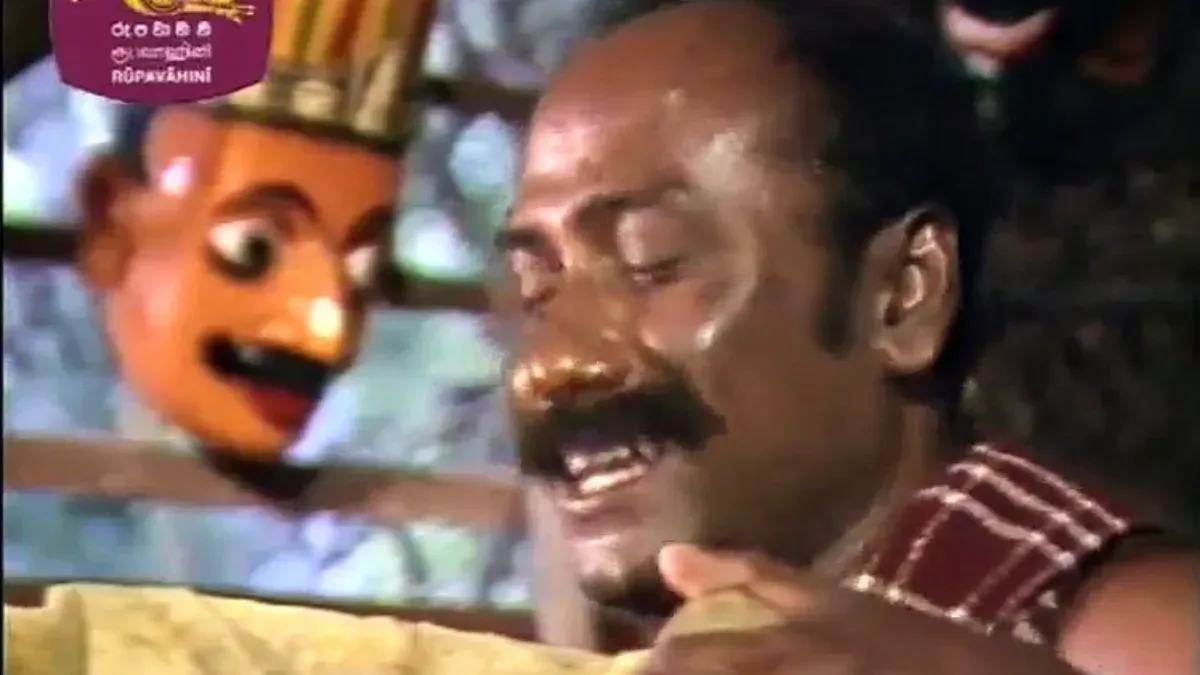 Genre1980s-2000s
How the Teledrama Theme Became Its Own Art Form
A two-minute tune at the top of a weekly serial turned out to be the cheapest way to put a new Sinhala song into every house in the country — so the best composers went and wrote them.
Read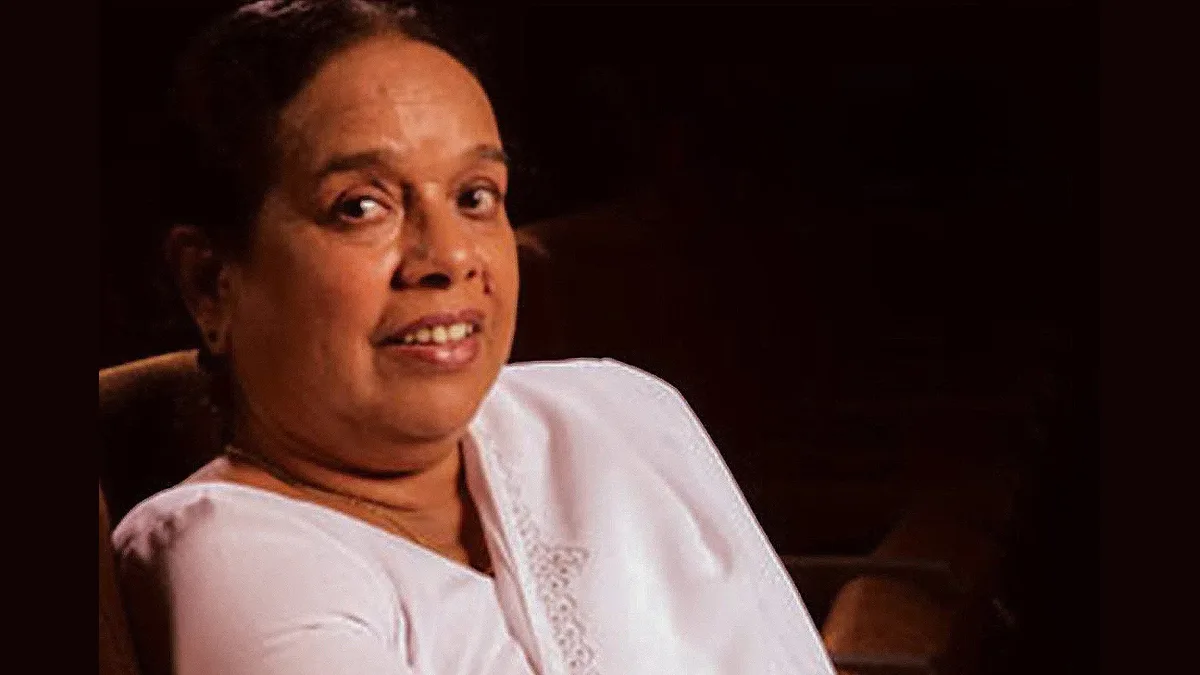 Controversy1970s-1990s
Pavana, Kampana, and the Singers the State Could Not Place
Two hundred and five performances, straight through the years of terror. What happened to Sri Lanka's protest singers is documented in some places and pure folklore in others — and the difference matters.
Read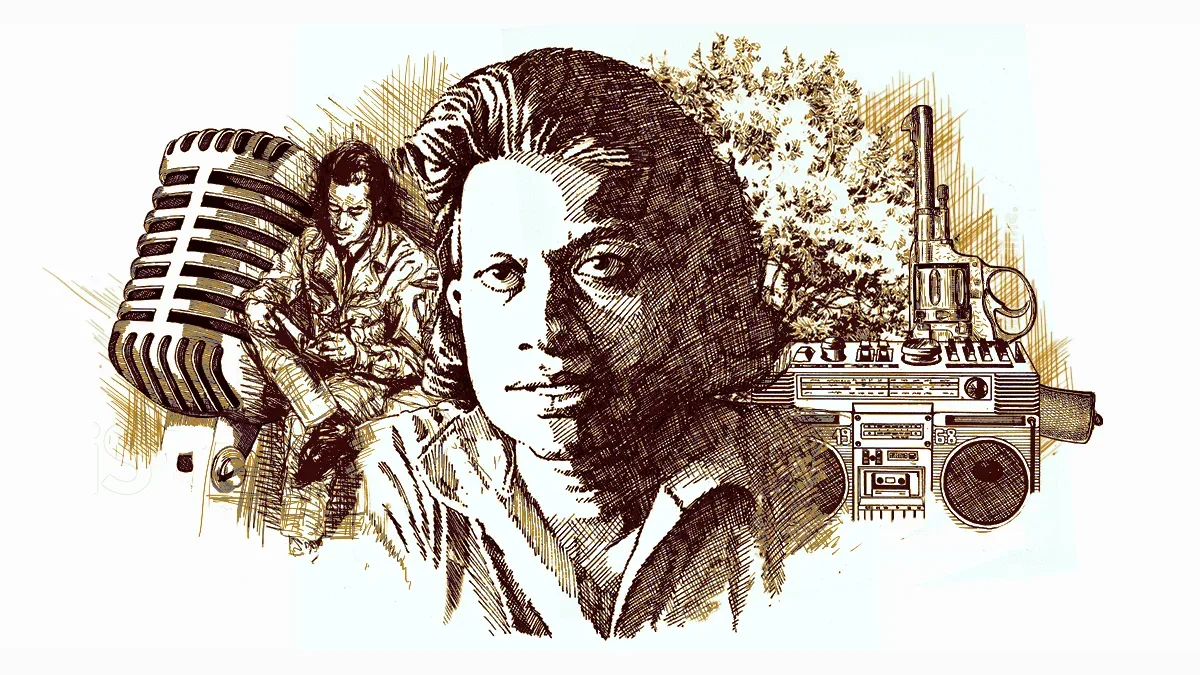 Song Story1980s
The Night They Came for the Lyricist
On 31 July 1989 armed men came to a house in Homagama for a man who wrote songs. What happened is documented; why it happened is not, and this article does not pretend otherwise.
Read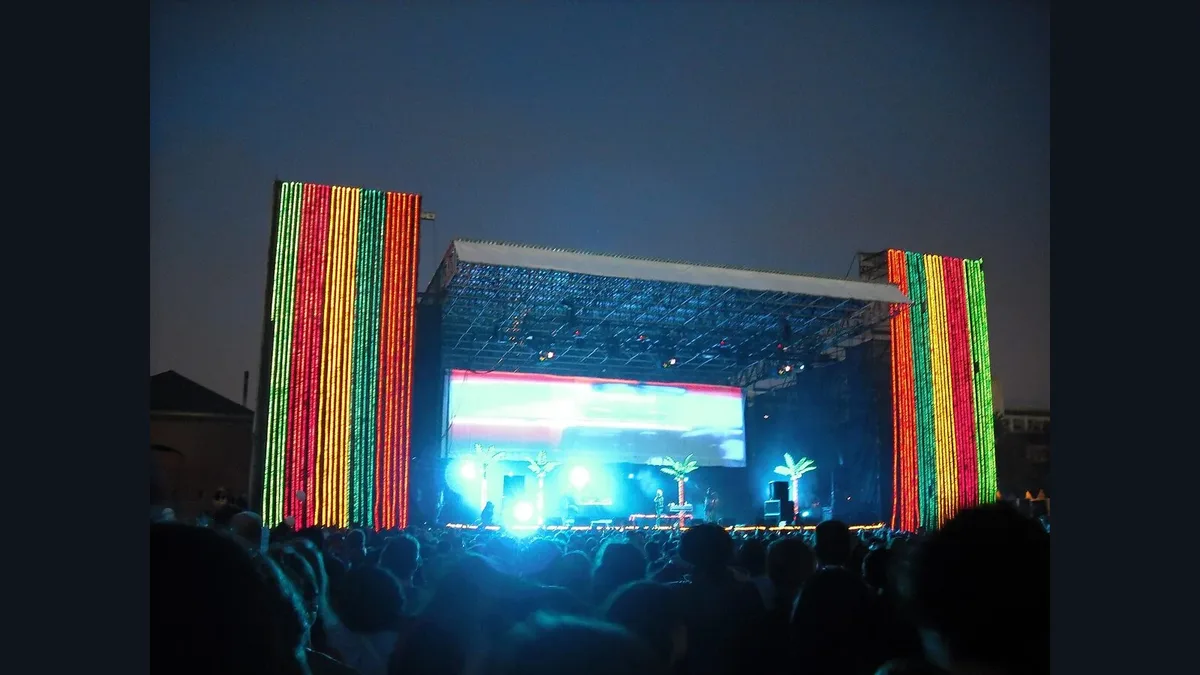 Modern1990s-2020s
From Colombo Tribe Project to the Global Charts
The first Sri Lankan rap record was a 1997 compilation that nobody was allowed to buy. Three decades later the island's most famous rapper was a refugee who had been driven off it.
Read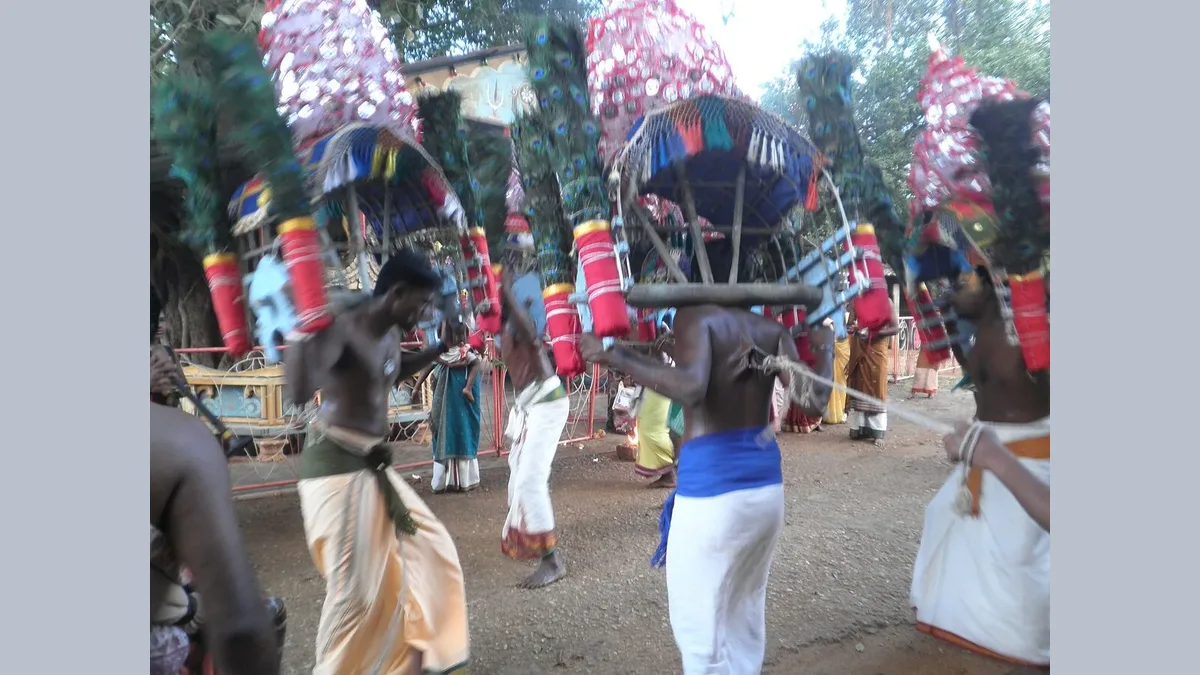 Genre1900s-present
Papare: The Kovil Horn That Became the Cricket Ground's Voice
Trumpet, trombone and a davul bera, played by ear, for twelve hours, for about three thousand rupees. Papare is a living folk music that nobody in Sri Lanka thinks of as folk music.
ReadModern2020sTwo Singers, One Planet: The Real Making of Manike Mage Hithe
A lockdown recording from Anuradhapura, a cover ten months later, and a global hit. The credit feud everybody repeats is contradicted by the original singer himself.
Read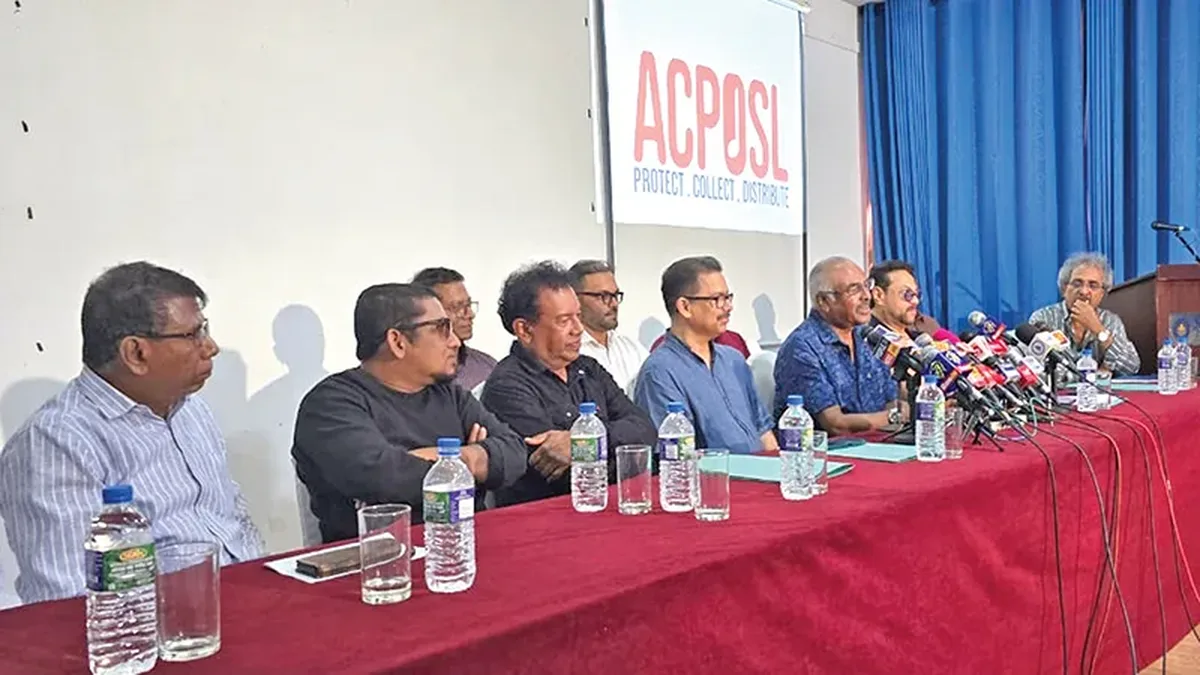 Controversy1970s-present
Rs 500,000 for the Singer, Rs 10,000 for the Man Who Wrote It
Twenty rupees a radio play, a hundred for television, and a collection system that barely leaves Colombo. Sri Lanka's songwriters spent 2025 asking to be paid for their own work.
Read