
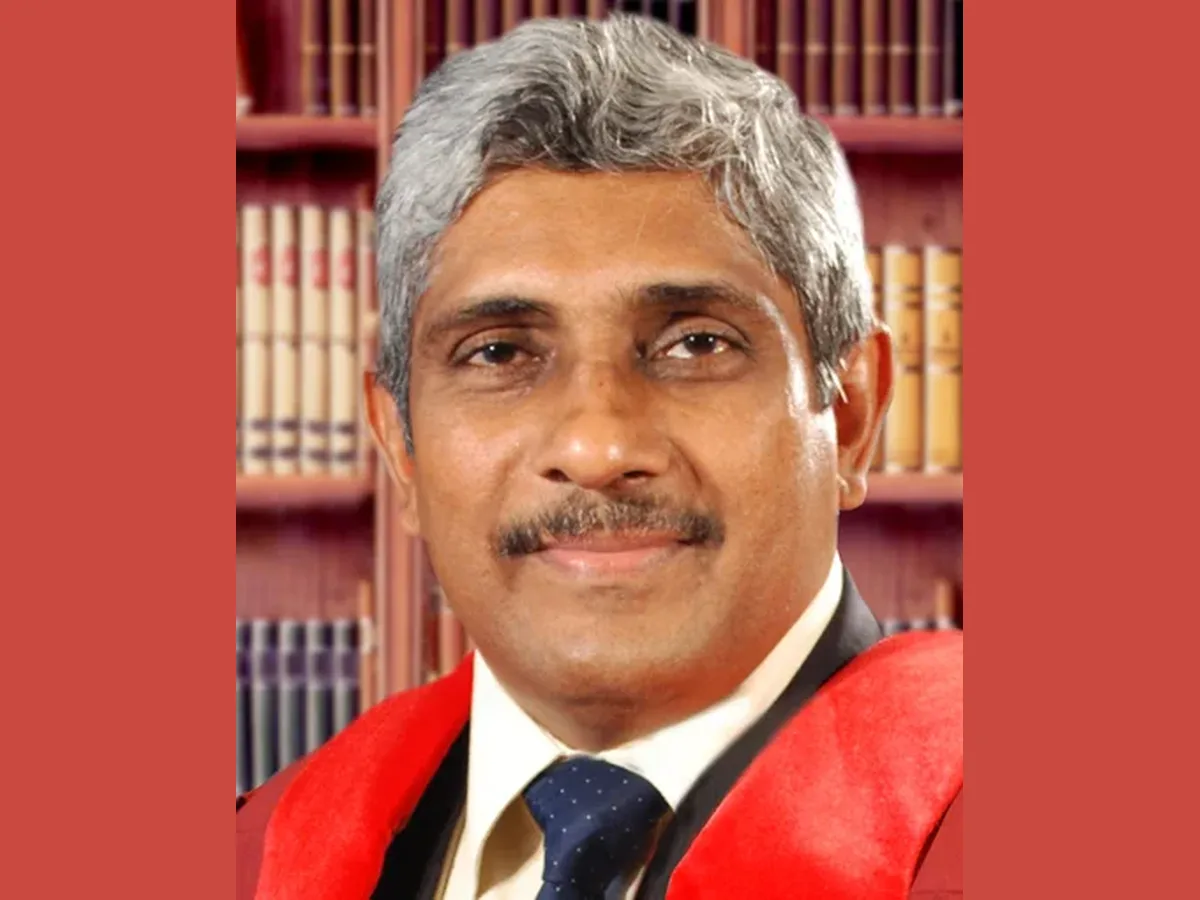
In 2016 a film called පත්තිනි Paththini was released with six songs on its soundtrack, music by Rohana Weerasinghe. The lyrics were split between two writers. One was Sunil Ariyaratne — professor, film-maker, the most decorated lyricist-academic in the country. The other was Praneeth Abeysundara, professor of sociology at the University of Sri Jayewardenepura.
That pairing is the shortest way of describing him. Sri Lanka has a small but real tradition of university teachers who also write songs the whole country sings, and Abeysundara belongs to it: a departmental head in the social sciences, an award-winning novelist, a Buddhist magazine editor, and the author of lyrics that turn up on Milton Mallawarachchi records.
Two careers, one person
He was educated at Ananda College, Colombo, and then at Sri Jayewardenepura, where he took a BA Special in sociology and later an MA. He holds a merit pass in a postgraduate diploma in writership and communication, and a PhD in sociology from Banaras Hindu University in India. He is a professor in the Department of Sociology and Anthropology in the Faculty of Humanities and Social Sciences at Sri Jayewardenepura, and a former head of that department.
The academic side of the CV is substantial in its own right. He won the State Literary Award in 2004 for his novel Baranas nam nuwara — "the city called Benares", a title that reaches back to the years he spent studying there. He has been a member of the State Literary panel, chairman of the All Ceylon Buddhist Congress, chairperson of the arts council of his own university, and a Bunka Award winner in Japan. In 2019 he received the honorary title Shasana Sanathana Shathakaabhimana for service to the Buddha Sasana. From 1 November 2022 to 7 January 2025 he was chairman of the Arts Council of Sri Lanka, appointed by the minister Vidura Wickramanayake. In October 2024 he was reported appointed editor of Divaina Budumaga, the Buddhist magazine of the Divaina newspaper group.
The songs
The lyrics are not a sideline in the hobby sense. They are scattered across four decades of the mainstream Sinhala repertoire, in the hands of singers with nothing else in common.
Milton Mallawarachchi — the smoky, unhurried romantic voice of the 1970s and 80s — sang his පාළු මාවතේ නැවතිලා Palu Mawathe Nawathila ("stopped on the empty lane"), with music by Sarath de Alwis. Professor Sanath Nandasiri, at the opposite end of the register, sang two to his own melodies: වරදක් කළත් හිතකින් නොවේ Waradak Kalath Hithakin Nowe ("even if I did wrong, it was not from the heart") and මම නම් ආසයි අහන්න නයනා Mama Nam Asai Ahanna Nayana.
He has been a steady supplier to the album-and-cassette generation that followed. Athula Sri Gamage sang මුතු කඳුලින් Muthu Kandulin ("with pearl tears") and සුසුම වී මගේ Susuma Wee Mage, both of which turn up again on the Sunflowers with Athula Sri Gamage live records. Chandana Liyanarachchi sang පාළු මුහුද Palu Muhuda ("the empty sea") and සුන්දරියේ Sundariye. More recently Kanchana Sandamali recorded සිනාසෙන නිසාදෝ Sinasena Nisado, with music by Mahinda Bandara.
And then Paththini, where his two contributions were given to two of the strongest female voices available: පත්තිනි දේවී Pattini Devi, sung by Nanda Malini, and රන් හසු ලොල්වනා Ran Hasu Lolwana, sung by Nirosha Virajini.
What is actually on the record
It should be said plainly that this is a thin file. Abeysundara is a living person with a substantial public career, but almost none of it has been written up in English. There is no English Wikipedia article. The Sinhala Wikipedia entry is four sentences long and carries no birth date; the Arts Council biography is a paragraph; the newspaper features about him are in Sinhala and several of the papers that carried them do not serve their archives reliably.
So there is no birth year here, no account of how he started writing lyrics, and no total for how many songs he has written. What can be said is what is verifiable: the professorship, the department, the degrees, the literary award, the Arts Council chairmanship, the magazine, and a set of songs attributable to him by name in published credits.
The academic in the lyric
There is a temptation, with a professor who writes pop songs, to look for the sociology in the lyrics. The material does not particularly support it. Palu Mawathe Nawathila is a love song; Mama Nam Asai Ahanna Nayana is a love song; Pattini Devi is a devotional invocation of a goddess whose cult runs from the Tamil epic Silappadikaram through Sinhala village ritual.
What the two halves of his life actually share is subject matter rather than method. A sociologist of Sri Lankan society, an editor of a Buddhist magazine, and a lyricist for Sinhala popular song are all, in the end, working on the same body of belief and feeling — the deities people petition, the songs people play at weddings, the things a culture takes for granted. He studies it in one room and writes it in another.